Does Upgrading My HVAC System Help Me Save Money with Energy Costs?
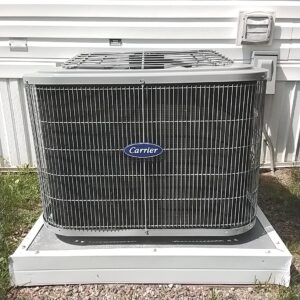
1You open your mail and immediately feel that familiar frustration. Another month, another higher-than-expected energy bill. In Cedar Rapids, where your furnace works hard through freezing winters and your air conditioner runs through humid summers, your HVAC system is one of the biggest contributors to your monthly expenses.

At Novak Heating and Cooling, we understand the frustration that an outdated or poorly functioning HVAC unit can cause. That is why our team of certified heating and cooling technicians are here to connect you with the equipment you need to save money and avoid ongoing frustration. As the only Carrier factory authorized deal in the area, you can trust us to provide you with quality equipment backed by superior service.

If your system is older or struggling to keep up, you might be wondering if an upgrade is right for you. Upgrading your HVAC system can lead to real savings, depending on the age of the system, your home’s efficiency, and the equipment you choose. Here’s what you should know before making a decision.

Why Older HVAC Systems Cost You More

If your furnace or air conditioner is 10 to 15 years old or more, it likely operates at a much lower efficiency level than modern systems. Over time, internal components wear down, motors lose efficiency, and coils accumulate buildup. Even with maintenance, performance gradually declines.

In Cedar Rapids, your HVAC system works through extreme temperature swings. Cold winters and humid summers force your equipment to run longer cycles. An aging system may struggle to maintain consistent indoor temperatures, causing it to run even more often.

That extra runtime translates directly into higher energy usage. You might not notice the gradual increase month to month, but over several years, those higher bills add up significantly.

Understanding Energy Efficiency Ratings

When you consider upgrading, you will likely hear terms like Seasonal Energy Efficiency Ratio (SEER) and Annual Fuel Utilization Efficiency (AFUE).

  • SEER measures air conditioner efficiency
  • AFUE measures furnace efficiency

Older air conditioners may have SEER ratings of 8 to 10. Modern systems often start at 14 and go much higher. That improvement alone can reduce cooling energy use by 20 to 40%

For furnaces, older models may operate at 70 to 80% AFUE. High efficiency furnaces today can reach 95% or more. That means far less fuel is wasted during operation.

When you upgrade to higher efficiency equipment, you can use less energy to achieve the same level of comfort. That difference shows up in your monthly utility bills.

How Much Could You Actually Save?

The amount you save depends on several factors, such as the age and condition of your current system, the efficiency of the new equipment, the size and insulation of your home, and your usage habits.

In Cedar Rapids, homeowners often see noticeable reductions in both summer electric bills and winter heating costs after upgrading older systems. If your equipment is more than 15 years old, the savings potential is even greater.

In addition to lower monthly bills, newer systems often require fewer repairs. That reduces unexpected service costs throughout the year.

Improved Comfort Means Smarter Energy Use

Saving money is not just about efficiency ratings. Newer HVAC systems are designed to provide more consistent comfort.

Modern systems often include:

  • Variable speed motors
  • Two stage or modulating operation
  • Improved humidity control
  • Smart thermostat compatibility

Instead of blasting on and off at full power, many new systems adjust output to match your home’s needs. That steady operation improves comfort and reduces wasted energy.

In Cedar Rapids, where humidity can make summer feel even more intense, improved moisture control can also help your home feel cooler without lowering the thermostat as much.

When Is the Right Time to Upgrade?

12You might benefit from upgrading if your system is 12 to 15 years old or older, repairs are becoming more frequent, or your energy bills continue rising. You may also notice that some rooms are always too hot or too cold, or that your system is running constantly.

If you are facing a major repair on an aging unit, it often makes financial sense to compare the repair cost to the long term savings of replacement.

A professional HVAC evaluation can help you determine whether upgrading now will save you more money over time.

Financing Options That Make Upgrading Easier

One reason homeowners delay upgrading is the upfront cost. A new HVAC system is an investment, but it does not have to strain your budget.

Our company offers flexible financing options that allow you to spread payments over time. Instead of paying the full amount at once, you can choose a plan that fits your monthly budget.

Financing makes it possible to start saving on energy costs immediately while making manageable payments. In many cases, the monthly energy savings help offset a portion of the financing cost.

Take Advantage of Specials and Rebates

There are additional ways to reduce the cost of upgrading your HVAC system.

We regularly offer seasonal specials, coupons, and discounts on new equipment installations. These promotions can significantly lower your upfront investment.

In addition, many high efficiency systems qualify for rebates. Depending on the equipment you chose, you may receive valuable incentives that make upgrading even more affordable.

Our team can help you identify available rebates and apply them correctly, so you do not miss out on savings. When you combine rebates, specials, and financing, upgrading becomes far more accessible than many homeowners expect.

Long Term Value Beyond Energy Savings

While lower utility bills are a major benefit, upgrading your HVAC system also adds long term value to your home.

New systems can:

  • Increase property value
  • Improve indoor air quality
  • Reduce noise levels
  • Provide greater reliability
  • Offer better warranty coverage

If you plan to sell your home now or in the future, updated HVAC equipment can be a strong selling point for buyers.

Even if you plan to stay long term, the peace of mind that comes from reliable heating and cooling during Cedar Rapids winters and summers is hard to put a price on.

The Importance of Proper Installation

Even the most efficient HVAC system will not perform properly if it is installed incorrectly. Proper sizing, duct evaluation, airflow testing, and system calibration are essential.

When you work with an experienced Cedar Rapids HVAC team, you receive more than new equipment. You receive professional design and installation that ensures your system operates at peak efficiency.

Correct installation maximizes your energy savings and protects your investment for years to come.

Is Upgrading the Right Choice for You?

HatsOff

If you are frustrated with rising energy bills, frequent repairs, or uneven comfort, upgrading your HVAC system may be one of the most effective steps you can take.

In many cases, homeowners in Cedar Rapids see meaningful reductions in both heating and cooling costs after replacing older equipment. Combined with improved comfort and reliability, the financial benefits often outweigh the initial investment.

The key is evaluating your current system, understanding your options, and working with a trusted local HVAC professional who can guide you through the process.

Schedule Your HVAC Evaluation Today

You do not have to keep guessing whether an upgrade will save you money. Let our Cedar Rapids HVAC experts evaluate your current system and show you how a high efficiency upgrade could reduce your energy costs.

Contact Novak Heating and Cooling today at (319) 364-4626 to schedule your consultation and take the first step toward lower energy bills and year-round comfort in your home.

How Often Should I Schedule an Appointment for Professional HVAC Maintenance?

8Most people don’t give much though to the state of their heating or cooling system until something goes wrong. One day it’s keeping your home perfectly comfortable, and the next you’re sweating through a July heatwave or piling on blankets during a January cold snap. In the Cedar Rapids area, where humid summers and freezing winters are part of daily life, your HVAC system works hard nearly year-round.

So the big question is: How often should you schedule professional HVAC maintenance? The answer depends on several factors, such as the size of your home, number of residents, and whether there are pets or allergies sufferers in the house. Following the right schedule could save you money, prevent breakdowns, and extend the life of your system. Lets break it down so you can keep your home comfortable no matter the weather forecast.

When to Schedule HVAC Maintenance: Twice a Year

For most homeowners, professional HVAC maintenance should be scheduled at least twice a year.

  • Once during the warm season for your air conditioner
  • Once during the cold season for your heating system

This schedule ensures that each system is inspected, cleaned, and tuned up before its busiest season. In a place like Cedar Rapids, where temperatures can swing dramatically between seasons, this proactive approach makes a major difference in performance and reliability.

Why Twice a Year Matters in Cedar Rapids

Living in Eastern Iowa means your HVAC system doesn’t get much of a break. Summers are hot and humid, putting your AC under serious strain. Winters bring freezing temperatures, ice, and snow, demanding reliable heat day after day.

When you schedule maintenance twice per year with Novak, you can:

  • Catch small issues before they turn into major repairs
  • Improve energy efficiency
  • Lower your monthly utility bills
  • Extend the lifespan of your system
  • Reduce the risk of emergency breakdowns

Skipping maintenance may not seem like a big deal at first, but over time, dirt buildup, worn components, and small mechanical issues can significantly reduce performance.

What Happens During a Professional HVAC Tune-Up?

You might wonder what you’re actually getting when you book a maintenance visit. A professional tune-up is much more than a quick inspection.

During an AC tune-up in the warm season, you can expect a comprehensive inspection and cleaning of your system. Our technicians will thoroughly check important components like the condenser coil, fan motor, electrical connections, drain hose, evaporator coil, and refrigerant levels.

During a winter tune-up, our technicians will clean and calibrate your thermostat, check belts and filters, and checks for leaks in the heat exchanger. We will also clean and adjust burners, controls, the pilot assembly, and the fan control. The interior of the furnace will also be inspected and vacuumed.

These detailed inspections help ensure that your system runs safely and efficiently before peak demand season begins.

Can You Get Away with Once a Year?

In some cases, you might be able to schedule maintenance once per year, especially if you have a newer, high-efficiency system, your system doesn’t run heavily, or you live alone or have low household usage.

However, in Cedar Rapids’ climate, most homeowners benefit from biannual service. Heating and cooling systems here are not lightly used. They endure humidity, pollen, freezing temperatures, and extended runtime periods.

If you’re unsure whether once a year is enough, a professional inspection can help determine what schedule best fits your home and usage patterns.

Signs You May Need Maintenance Sooner

3Even if you’re on a regular maintenance schedule, you should call for service sooner if you notice:

  • Rising energy bills
  • Uneven heating or cooling
  • Strange noises (banging, squealing, rattling)
  • Unusual odors
  • Weak airflow
  • Short cycling

These signs often indicate minor issues that can be corrected quickly, if caught early. Waiting too long may result in more extensive repairs.

How Maintenance Extends System Lifespan

Your HVAC system is one of the largest investments in your home. Replacing a furnace or air conditioner is not inexpensive, so it makes sense to protect that investment.

When you schedule regular professional maintenance, you can reduce wear and tear on components, prevent overheating and strain, ensure proper lubrication and airflow, and maintain manufacturer warranty compliance.

Most well-maintained systems can last 15 to 20 years or longer. Neglected systems often fail years earlier due to avoidable damage.

The Energy Savings Factor

In Iowa, where your HVAC runs for most of the year, efficiency matters. A dirty or poorly maintained system can lose up to 5 to 15 percent of its efficiency annually.

When your system runs efficiently, you use less energy, lower monthly utility bills, and reduce your environmental impact. A more efficient HVAC system also leads to improved and more consistent indoor comfort.

Professional maintenance pays for itself over time by keeping your system operating at peak performance.

What About DIY Maintenance?

You absolutely play an important role in keeping your system running well. Between professional visits, you should:

  • Change your air filters every 1 to 3 months
  • Keep outdoor units clear of debris
  • Ensure vents and registers are not blocked
  • Monitor thermostat settings

However, DIY steps don’t replace professional service. There are electrical components, refrigerant levels, combustion systems, and safety controls that require trained technicians and specialized tools. With more than 80 years in the business, you can trust Novak to keep your heating and cooling systems running reliably year-round.

Worry-Free HVAC Maintenance with a Service Agreement

If you want to make maintenance simple and stress-free, a maintenance agreement is one of the smartest decisions you can make.

At Novak Heating and Cooling, our affordable maintenance contracts provide worry-free HVAC maintenance for homeowners throughout Cedar Rapids. With scheduled AC and furnace tune-ups included, you won’t have to remember when to book service, as we help keep you on track.

When you enroll in one of our maintenance agreements, you also receive priority scheduling, reduced rates on spring and fall service calls, consistent professional inspections, and peace of mind knowing your system is protected.

The Cost of Skipping Maintenance

It’s tempting to put off maintenance to save money in the short term. But in reality, skipping service often costs more.

Without regular maintenance, you risk:

  • Expensive emergency repairs
  • Reduced system efficiency
  • Premature equipment failure
  • Voided manufacturer warranties
  • Increased safety risks

Emergency repairs during peak season can also mean longer wait times and higher costs. Preventative care is almost always more affordable than reactive repairs.

Creating a Maintenance Schedule that Fits Your Needs

Every home is different. Factors that can affect how often you need maintenance include system age, household size, pets in the home, allergy concerns, indoor air quality needs, and frequency of use.

If you have pets, for example, increased hair and dander may require more frequent filter changes and airflow checks. If your system is over 10 years old, biannual maintenance becomes even more important.

A professional HVAC technician can help you create a maintenance schedule that fits your specific home and comfort needs.

Schedule Your HVAC Maintenance Today

Don’t wait until your system breaks down to give it the attention it deserves. Whether you need a seasonal tune-up or want to learn more about our worry-free HVAC maintenance agreements, we’re here to help.

Contact Novak Heating and Cooling today to schedule your next maintenance appointment and enjoy reliable comfort all year long.

2

What Does Variable Speed Mean in HVAC Systems? A Cedar Rapids Homeowner’s Guide

5If you are shopping for a new heating and cooling system, you have likely come across the term variable speed. While it may sound like just another technical feature, variable speed technology can make a noticeable difference in your home’s comfort, energy efficiency, and indoor air quality. For many Cedar Rapids homeowners, understanding what variable speed means — and whether it is worth the investment — is an important part of choosing the right HVAC system.

Variable speed HVAC systems are designed to adjust their output gradually rather than simply turning on and off at full power. This allows your system to maintain more consistent temperatures, improve humidity control, and operate more efficiently throughout the day. In this blog, Novak Heating Air & Duct Cleaning explains how variable speed technology works, the benefits it offers, and how to determine if a variable speed system is the right fit for your home and comfort goals.

Variable Speed Handlers – How Do They Work?

Modern air conditioning systems rely on compressors that pump refrigerant to and from the coils of your indoor unit. When the temperature rises, and you turn your thermostat down, the compressor speeds up and pumps refrigerant to the AC’s air handler more quickly. The handler works in conjunction with the blower, which also runs at a higher speed to cool down the home.

New variable-speed AC units contain variable-speed compressors that are capable of running at different speeds, meaning you can cool your home at different rates. When the temperature outside is mild, you may not need your AC unit to run at 100 percent. Having the flexibility to deliver cool air at a customized rate gives you more control over the comfort of your home and the amount of energy you use to keep it comfortable.

Think about it this way. A standard air handler would introduce a blast of cool air into your home until the house reaches a set temperature. Once it hits this specified temperature, the unit will go into standby mode. Variable speed handlers, on the other hand, run at various speeds based on your preferred comfort level. With a variable-speed air conditioner, you get more consistent cooling with other key benefits, such as less noise.

When you rely on Novak Heating Air & Duct Cleaning to install your new variable-speed system, you are provided with our satisfaction guarantee. We ensure that any system installed will perform as we have stated and agreed on and that our technicians will care for your home and complete the job with speed and precision.

Single-Stage vs. Two-Stage Compressors

The majority of central AC systems in the U.S. use single-stage compressors. This type of compressor has remained the standard for decades and is the most familiar to people with cooling units. Single-stage compressors turn on automatically when the indoor temperature in the home exceeds the temperature set on the thermostat. This means that if you set your thermostat to 70 degrees, the AC will run once it reaches 71.

Unlike variable speed compressors, traditional single-stage handlers always operate at 100 percent capacity. As running at full speed at all times can quickly cool off the home, you’ll often find that your cooling system turns on and off frequently throughout the day as the temperature rises and falls.

With a single-stage compressor, homeowners are limited to basic “on” and “off” switches with minimal flexibility. Two-stage systems take this concept a step further by offering homeowners more control over the temperature in their homes. With a two-stage system, you can choose from other settings, such as “high” or “low”. The high stage will generally operate at 100 percent capacity, while the low stage will often operate at around 65 percent capacity.

Saving Money with a Variable Speed System

6If you’re looking for ways to save money on your heating and cooling costs, a variable-speed system may be the solution. Installing a variable speed furnace or air conditioner can lead to considerable savings over traditional single-stage or two-stage systems, despite common misconception.

Some people believe that variable-speed HVAC equipment uses more energy than traditional systems because it is constantly running. However, this isn’t true. Variable-speed systems run at just 50 percent capacity and use around 75 percent less energy than a single-stage unit that runs at full speed. Making the switch to a variable-speed system could save you hundreds of dollars each year in energy costs.

While variable speed systems can lead to noticeable energy savings, there are some downsides to consider. For example, a variable-speed HVAC unit is often much more expensive to purchase than a single-stage or two-stage system. However, many homeowners find that their long-term energy savings greatly exceed the initial expense.

At Novak, we offer various discounts and financing options to help you save money and get the HVAC services you need when you need them. Give us a call anytime at (319)364-4626 to learn more about our special offers and great financing options.

Achieving Consistent Indoor Comfort

Traditional heating and cooling systems can lead to uneven indoor temperatures, with it sometimes being too cold and other times too warm. This is because single-stage units turn on at full blast and continue pushing out cold or hot air until the space has reached the set temperature. The unit then suddenly turns off until the temperature gets too high or drops too low.

In comparison, variable-speed systems use continuous heating and cooling cycles to keep the temperature in the home consistent. This leads to fewer hot and cold spots, making the home more comfortable for occupants.

Maintaining Humidity Control for Improved Indoor Air Quality

Humidity can make your home uncomfortable, especially during the hot, sticky summer. When central air conditioners are doing their job, indoor humidity levels are controlled, making the space more pleasant. However, some systems are more efficient at controlling humidity than others.

Variable-speed AC units are better equipped to control humidity compared to single-speed systems. As variable speed units are designed to operate for a longer period of time, they are better able to remove more moisture from the air. In fact, variable-speed systems can remove about 400 percent more moisture than single-stage systems.

Lowering Noise Levels in the Home

Having HVAC equipment continually running may seem like a noisy nuisance, but with variable-speed systems, this is anything but the truth. Variable-speed furnaces and AC units are surprisingly quiet and will not typically impact your living environment.

The noise level associated with variable-speed compressors is often much less than that of single-stage systems. This is because single-stage units are constantly turning off and on, and when running, blow air with full force. Variable-speed systems run consistently, and often at lower speeds, which generally results in quieter operation.

Novak Heating Air & Duct Cleaning only works with leading brands to ensure satisfactory results with each install.

Factoring in the Disadvantages of Variable Speed Systems

While variable-speed HVAC equipment has many advantages, there are some downsides to consider before making the switch. First, the initial cost of these systems can be off-putting to some homeowners. Compared to a single-stage or two-stage system, you can expect a variable-speed unit to run anywhere from $1,500 to $8,000 or more.

Next, a variable-speed system is not needed for all homes. If you live in a location with mild temperatures and ideal humidity levels, this type of unit may not be useful, and a single-stage compressor may be a better option.

Finally, you’ll need to consider whether installing a variable-speed system will be cost-effective based on your current setup. Some systems may not be compatible with uninsulated ducts. As variable-speed AC units run long-term, they create condensation in ducts, which can lead to water damage and possible mold formation.

Schedule Reliable Service with Novak

7Variable speed HVAC systems offer a modern approach to home comfort by delivering consistent temperatures, quieter operation, improved humidity control, and enhanced energy efficiency. While they often come with a higher upfront investment, many homeowners find the long-term comfort improvements and potential energy savings make variable speed technology a worthwhile upgrade. Understanding how your system operates — and choosing the right features for your home’s size, layout, and comfort needs — is key to getting the most value from your HVAC investment.

If you are considering upgrading your heating and cooling system in Cedar Rapids, the experienced team at Novak Heating Air & Duct Cleaning can help you explore your options and determine whether a variable speed system is the right fit. From system recommendations and professional installation to ongoing maintenance, Novak Heating Air & Duct Cleaning is committed to helping you achieve reliable, efficient comfort year-round. Contact their team today to schedule a consultation and take the next step toward a more comfortable home.

Should You Close HVAC Vents in Your Home? What Cedar Rapids Homeowners Need to Know

1If certain rooms in your home always feel too warm, too cold, or rarely used, it may seem like closing the HVAC vents is a simple way to improve comfort and save energy. Many Cedar Rapids homeowners assume that shutting vents will redirect airflow where it is needed most and help lower utility bills. However, your heating and cooling system is carefully designed to balance airflow throughout your entire home, and closing vents can sometimes create unintended issues.

In this blog, Novak Heating Air & Duct Cleaning explains whether it is safe to close vents, how it can impact your HVAC system’s efficiency and lifespan, and what better solutions may exist for improving comfort in specific areas of your home. Understanding how your system distributes air can help you make smarter decisions that protect both your comfort and your equipment.

Let’s look at some of the potential impacts of closing vents, including the effects on your HVAC system, air quality, and overall comfort in your home.

Consequences of Closing Vents in Your Home

Closing vents may seem like a quick fix to save on energy costs and manage airflow, but it’s not without potential repercussions. Before making the decision to close vents in unused areas of your home, consider the following problems it could cause.

Restricts Airflow

Your home’s HVAC system is carefully designed to deliver sufficient airflow to each zone to maintain a comfortable temperature throughout. When you choose to close one or more vents in your home, you’re essentially cutting off this airflow, causing pressure to build up inside the air ducts. This buildup of pressure eventually backs up into the home’s ductwork, which can lead to leaks.

Despite popular belief, closing vents in unused rooms doesn’t actually force air into other parts of the home. Instead, the excess air will often leak into unconditioned parts of the house, such as attic spaces and interior walls. In turn, the system is forced to work harder, which can result in problems like overheating of the heat exchanger or frozen coils that damage the system’s compressor.

Reduces Energy Efficiency

One of the most common reasons that people close their vents is to save on energy costs. However, this action could actually have the opposite effect. Closing your vents doesn’t save energy but rather wastes energy. HVAC systems are built to heat and cool homes according to size and the equipment doesn’t know that the vents are closed.

Without knowledge of the closed vents, the heating and cooling systems will continue to run until the home has reached the set temperature. If duct leaks develop due to excess air buildup in the ductwork, homeowners can actually experience increases in energy consumption and higher utility costs.

At Novak, we strive to provide excellent customer service, which means helping our customers receive and maintain an HVAC system that meets their needs. Whether it’s a new AC installation that is more energy efficient or a temperature zoning control system that satisfies the whole family, we offer the services you need for a more comfortable and efficient home.

Creates High Static Pressure

HVAC systems are strategically designed to deliver a certain amount of air to maintain a safe amount of pressure within the ductwork. By closing vents in your home, you’re preventing air from moving freely and causing pressure to build. High static pressure can put excessive stress on the blower motor and force the unit to overwork as it must compensate for the high-pressure environment.

Static pressure in the air vents can lead to a wide range of problems, such as the creation of new leaks or causing small leaks to get worse. It can also make your HVAC system less efficient and cause potential damage to your heat exchanger, which can result in dangerous carbon monoxide leaks.

Disrupts Temperature Balance

2You rely on your heating and cooling systems to keep your home comfortable. While it’s normal for your house to fluctuate a degree or two, too much fluctuation in temperature can make your home too hot or cold. This is a common occurrence for homeowners who close vents.

Closing one or more vents in a home disrupts airflow which in turn alters temperature balance. The room with the closed vent will often get too hot or too cold, depending on the season. This can make the area around the room more difficult to heat or cool as the hot or cold air seeks through cracks and crevices around doorways and windows.

Poses a Mold Risk

Houses require proper airflow and ventilation to prevent the growth of hazardous mold and mildew. When you prevent your HVAC system from working properly by closing vents, you can contribute to an environment where mold thrives. In addition, mold spores can easily spread into other areas of the room, exacerbating the problem.

While mold growth is a risk any time of year, it’s especially common in the warmer months. Condensation is created when cold air and warm air meet, leading to mold growth. For example, leaks in your ductwork during the summer can cause the hot and humid air in your attic to combine with the cool AC, which can lead to mold.

Shortens the System’s Lifespan

Your HVAC system was a major investment that you want to last as long as possible. Unfortunately, making choices like closing your vents could actually shorten your unit’s lifespan. Too much static pressure in the system can do more than cause hot and cold spots in the home. It can also lead to significant damage to the components of the unit.

The heat exchanger often suffers the brunt of the damage due to closed vents. It can overheat and crack over time, and potentially release carbon monoxide into the home. The permanent split capacitor (PSC) blower can also begin to slow down as it struggles to deal with the added pressure. In turn, the evaporator coil responsible for cooling the air in your home in the summer can get too cold and form ice.

The experts at Novak employ certified technicians who can help you repair your damaged HVAC unit and often extend the lifespan of your heating and cooling system. If you would prefer a replacement, we also offer professional installation of high-quality systems and parts. Also, ask us about our 0% interest financing options.

Increases Humidity Levels

High humidity levels can make your home feel uncomfortable and put undue stress on your heating and cooling systems. According to the Environmental Protection Agency, indoor humidity levels should remain between 30 and 50 percent and never exceed 60 percent. Closing vents can make it difficult to maintain healthy humidity levels.

When you run your air conditioning, the humidity inside your home is naturally lowered. However, closing a vent causes humidity to build up inside the unused room, which can cause dust mites and mold particles to accumulate. In addition to causing respiratory problems, the excess moisture in the room can impact the rest of the home.

What You Should Do Instead of Closing Vents

If you’re looking to be more energy efficient or save on your heating and cooling costs, there are better ways to do it than to close vents in your home. Begin by keeping the doors in your home open to maximize airflow. If you must close vents, do so only partially. Vents should never be more than 75 percent of the way closed to help keep air circulating without disruption.

You may believe that it’s okay to close vents in areas of your home that you wouldn’t normally heat or cool, such as an attic space or basement. However, this isn’t recommended. Your home’s HVAC system is designed to handle the unique climate control needs of these spaces and closing the vents could have the same consequences as closing vents in other rooms.

3

Instead of closing vents in your home, consider alternative solutions. For example, eliminating ductwork altogether and installing a ductless mini-split can give you greater control over the temperature of your home without the need for ducts. In the long term, many homeowners who use mini-splits actually save money on their utility costs.

Another option is to upgrade to a multi-zone HVAC system. This decision can help you control the temperature of individual rooms in your home, meaning you’ll have separate thermostats in different zones of the house.

If you’re looking for a more affordable solution, consider investing in a routine maintenance plan. Regular maintenance on your HVAC system can help your unit run more efficiently, extend its lifespan, and save you money in the long run. At Novak, we offer Worry-Free Maintenance that includes a variety of benefits. Visit https://www.novakheating.com/worry-free-maintenance/ to learn more.

Trust Novak for All of Your Heating & AC Service Needs

11While closing vents may seem like a quick fix for uneven temperatures or unused rooms, it is rarely the best solution for improving comfort or efficiency. Your HVAC system is designed to move air evenly throughout your home, and restricting airflow can lead to pressure imbalances, reduced efficiency, added system strain, and even potential duct damage over time. Instead of shutting vents, homeowners often see better results with simple solutions like adjusting dampers, improving insulation, sealing ductwork, or scheduling a professional system evaluation.

If you are dealing with hot or cold spots in your Cedar Rapids home, the experienced team at Novak Heating Air & Duct Cleaning can help identify the root cause and recommend safe, effective solutions. From airflow balancing and duct cleaning to system maintenance and upgrades, professional guidance ensures your HVAC system operates efficiently while keeping every room comfortable. Contact Novak Heating Air & Duct Cleaning today to schedule an inspection and enjoy dependable comfort throughout your home year-round.

What Type of Filter Should I Use and How Often Does It Need Replacement?

Service VansYour HVAC air filter protects both your equipment and your indoor air. It traps dust and debris before they reach key components inside your furnace and air conditioner. When the filter is clogged or incorrect, airflow drops and the system works harder than it should. That strain affects comfort, efficiency, and long term reliability.

Many homeowners in Cedar Rapids are unsure which filter to choose or how often to replace it. The options can be confusing, and higher cost does not always mean better performance. Novak Heating & Cooling has served the Cedar Rapids area since 1934, helping homeowners make informed decisions about their systems. In this guide, you will learn which filter works best for your system, how often to replace your filter, and simple steps to protect your HVAC system and indoor air.

Why Your HVAC Air Filter Matters More Than You Think

Your air filter shields critical parts inside your HVAC system. It prevents dust from collecting on the blower motor, heat exchanger, and evaporator coil. Clean airflow allows the system to operate within its designed limits. When airflow is restricted, components experience added stress.

A clogged filter can increase energy use and shorten equipment life. Restricted airflow may cause frozen coils in summer or overheating in winter. Poor filtration can also worsen indoor air quality, especially during Iowa’s heavy pollen seasons and dusty conditions. Regular filter checks help protect your system and maintain cleaner air inside your home.

Understanding the Main Types of HVAC Air Filters

HVAC filters are not one size fits all. Different materials and designs affect how well particles are captured and how easily air moves through the system. Choosing the correct type depends on your equipment specifications and indoor air quality needs.

1. Fiberglass (Flat Panel) Filters

Fiberglass filters are basic disposable filters made of layered fiberglass fibers. They are designed primarily to protect HVAC equipment from large debris rather than improve indoor air quality. These filters typically carry lower MERV ratings, often between 1 and 4.

Key characteristics:

  • Basic filtration for larger particles such as dust and lint
  • Lower cost compared to pleated or high efficiency options
  • Minimal airflow resistance due to simple construction
  • Limited ability to capture smaller particles like pollen

Because they have less surface area and lower particle capture efficiency, fiberglass filters usually require replacement about every 30 days. They are most appropriate when the primary goal is protecting the equipment and when the system manufacturer specifies low resistance filtration.

2. Pleated Filters

Pleated filters are made from polyester or cotton paper folded into pleats. The pleated design increases surface area, which allows the filter to capture more particles without blocking airflow as quickly. Most residential pleated filters fall within the MERV 5 to 13 range.

Common features:

  • Larger surface area compared to flat fiberglass filters
  • Better capture of dust, pollen, mold spores, and pet dander
  • Widely used in residential HVAC systems
  • Available in different thicknesses such as 1 inch and 4 to 5 inch media filters

Pleated filters offer a practical balance between filtration efficiency and airflow when matched correctly to the system. Replacement intervals often range from 60 to 90 days for 1 inch versions, though conditions inside the home can shorten that timeframe.

3. High-Efficiency Filters (High-MERV and HEPA-Compatible Systems)

High efficiency filters are designed to capture smaller airborne particles. Filters with MERV ratings between 13 and 16 can capture finer particulates, including smaller allergens and some bacteria. True HEPA filters are capable of capturing 99.97 percent of particles at 0.3 microns, but they are typically used in systems specifically designed to handle their airflow resistance.

Important considerations:

  • Designed for finer particle capture
  • Often selected for households with allergy or asthma concerns
  • Higher MERV ratings increase filtration but can restrict airflow
  • Not all residential systems are designed to support HEPA filtration

Using a high-MERV filter in a system that is not rated for it can increase static pressure and reduce airflow. HVAC manufacturers and industry organizations recommend confirming system compatibility before installing high efficiency filters. A professional evaluation helps ensure filtration improvements do not compromise equipment performance.

4. Washable and Reusable Filters

Washable filters are designed to be cleaned and reinstalled rather than discarded. They are often constructed from metal or durable synthetic materials. Maintenance requirements are higher because cleaning must be done thoroughly and regularly.

Key points to understand:

  • Must be cleaned on a regular schedule, often monthly
  • Initial cost is higher than disposable filters
  • Long-term cost may be lower if maintained properly
  • Filtration efficiency varies by design and manufacturer

Reusable filters can make sense for homeowners willing to maintain them consistently. If cleaning is delayed or incomplete, airflow and filtration performance can decline. Always follow manufacturer instructions for cleaning and drying before reinstalling the filter.

What MERV Ratings Measure

MERV ratings measure a filter’s ability to capture airborne particles between 0.3 and 10 microns in size. This includes dust, pollen, mold spores, pet dander, and in higher ranges, finer particles like smoke. The rating reflects how efficiently the filter captures particles across different size ranges.

The MERV scale ranges from 1 to 16 for most residential and commercial systems.

  • MERV 1–4: Captures large particles such as lint and dust.
  • MERV 5–8: Captures mold spores and pollen.
  • MERV 9–12: Captures finer dust and pet dander.
  • MERV 13–16: Captures very fine particles, including smoke and some bacteria.

Recommended MERV Ratings for Most Homes

For most residential HVAC systems, filters rated MERV 8 or lower provide the best balance between effective filtration and proper airflow. These filters capture common household particles like dust, lint, and pollen without placing unnecessary strain on your system.

Using higher-rated filters can restrict airflow, which may reduce efficiency, increase wear on components, and potentially lead to comfort or performance issues. For this reason, many manufacturers recommend staying at MERV 8 or below for standard residential equipment unless otherwise specified by a professional.

How Often Should You Replace Your HVAC Filter?

Filter replacement timing depends on thickness, material, and how much your system runs. National energy and HVAC organizations recommend checking filters monthly and replacing them before heavy buildup restricts air movement. A consistent schedule helps maintain steady airflow and system stability.

Replacement frequency should follow manufacturer guidance, but general residential standards provide a reliable starting point.

Standard Replacement Guidelines by Filter Type

Different filter designs hold debris at different rates. Thicker filters usually last longer because they have more surface area to collect particles.

  • 1-inch filters: Replace every 30 to 60 days under normal household conditions.
  • Pleated 1-inch filters: Replace approximately every 60 to 90 days.
  • 4–5 inch media filters: May last up to 6 months depending on usage.
  • High-efficiency systems: Follow the equipment manufacturer’s specified interval.

Even when a filter is rated for longer use, inspection is still recommended to confirm condition.

Factors That Require More Frequent Changes

f8bdcf59Certain household conditions increase the amount of airborne particles passing through the system. More particles mean the filter fills faster.

  • Homes with pets that shed hair and dander
  • Occupants with allergies or asthma
  • Smoking indoors
  • Home renovation projects that generate dust
  • Extended heating in winter or cooling in summer across Iowa

When system runtime increases, so does the volume of air passing through the filter.

Signs Your Filter Needs Replacement Sooner

Replacement should be based on condition, not just the calendar. A filter can reach capacity earlier than expected depending on indoor air conditions.

Common indicators include:

  • Visible dust buildup or dark discoloration
  • Reduced airflow at supply vents
  • Higher energy bills without other changes
  • More dust collecting indoors on surfaces

If these signs appear, replacing the filter can help restore proper airflow and system performance.

Can the Wrong Filter Damage Your HVAC System?

Using the wrong filter can affect how your system operates. HVAC equipment is designed for specific airflow ranges. When a filter is too restrictive, airflow drops below design levels.

Airflow restriction can lead to:

  • Increased static pressure inside the duct system
  • Blower motor strain from working harder to move air
  • Reduced system efficiency

In cooling mode, restricted airflow may cause frozen evaporator coils because the coil does not receive enough warm air. In heating mode, low airflow can contribute to overheating furnace components, which may trigger safety limits.

To avoid these issues, always match:

  • The exact filter dimensions listed for your unit
  • A MERV rating approved by the equipment manufacturer

Correct sizing and rating protect both performance and equipment life.

How to Check and Replace Your HVAC Filter Properly

Replacing a filter is straightforward, but it must be done correctly. Most residential filters are located inside the return duct, behind a return grille, or inside the furnace cabinet.

Step 1: Locate the filter compartment.
Consult your system manual if needed.

Step 2: Confirm the correct size.
Check the dimensions printed on the filter frame and replace with the same size.

Step 3: Install with the airflow arrow facing the correct direction.
The arrow should point toward the blower or into the furnace.

Step 4: Dispose of the old filter properly.
Seal it in a bag before placing it in the trash to limit dust release.

During maintenance visits, Novak Heating & Cooling inspects filters for condition, fit, and compatibility. This ensures the system operates within manufacturer guidelines.

Should You Upgrade Your Filter for Better Air Quality?

Upgrading may help when finer particle capture is needed. Households with persistent dust concerns or respiratory sensitivities sometimes benefit from higher MERV filters, if the system allows it.

However, filtration is only one part of indoor air quality control. In some homes, additional solutions may be more effective, such as:

  • Whole-home air purifiers
  • Media air cleaners
  • Humidity control systems

Novak Heating & Cooling evaluates airflow capacity and system design before recommending upgrades. The goal is improved indoor comfort without increasing strain on HVAC equipment.

Frequently Asked Questions

What type of air filter is best for most homes?

Most homes do well with a properly sized pleated filter in the MERV 8 to 11 range. Novak Heating & Cooling technicians can verify the correct size and rating for your specific system.

How often should I change a 1-inch furnace filter?

A 1-inch filter should typically be replaced every 30 to 60 days, depending on usage and indoor conditions.

What happens if I don’t change my air filter?

A dirty filter can reduce efficiency, increase energy bills, and place extra strain on system components. Over time, this may lead to avoidable repairs.

Can Novak Heating & Cooling help me choose the right filter?

Yes. Novak Heating & Cooling serves Cedar Rapids, Marion, Hiawatha, and surrounding communities, and can inspect your system to recommend the correct filter and maintenance schedule.

The Right Filter Makes a Bigger Difference Than You Think

For most homes, a properly sized pleated filter in the MERV 8 or lower range delivers effective filtration without restricting airflow. Replacement timing should reflect system use and indoor conditions, especially during Iowa’s heavy heating and cooling months. A quick monthly inspection can prevent airflow problems and reduce unnecessary strain on equipment.

Staying consistent with filter maintenance helps avoid breakdowns and unexpected repair costs. Novak Heating & Cooling has served Cedar Rapids and surrounding communities since 1934, offering maintenance plans and system evaluations to keep HVAC systems operating safely. If you would like help selecting the right filter for your home, call Novak Heating & Cooling at (319) 364-4626 and schedule a system check today!

6

What Is the Life Expectancy of My New or Existing HVAC System?

7Most residential HVAC systems last between 10 and 25 years, depending on the type of equipment, how it was installed, and how well it is maintained. If your system is getting older, you may be wondering how much time it has left. If you recently installed a new unit, you likely want to know what kind of lifespan you can realistically expect.

Since 1934, Novak Heating and Cooling has provided air conditioning and furnace service and repair to Cedar Rapids homes and businesses. With decades of experience in eastern Iowa’s climate, our certified HVAC technicians help homeowners evaluate system condition and make informed decisions about maintenance, repair, or replacement.

Average Life Expectancy of Common HVAC Systems

Organizations such as ASHRAE (American Society of Heating, Refrigerating and Air-Conditioning Engineers), NAHB (National Association of Home Builders), and AHRI (Air-Conditioning, Heating, and Refrigeration Institute) publish equipment life estimates used across the country.

Major manufacturers report similar ranges, so there is broad agreement on what is considered normal service life. These numbers assume proper installation and consistent maintenance. Neglect shortens equipment life, while routine inspections and tune-ups help systems reach the upper end of expected performance.

1. Central Air Conditioners (Split and Packaged Units)

Most central AC systems operate for 12 to 15 years, with some lasting close to 20 years when maintained well. The outdoor unit faces constant exposure to weather, debris, and temperature swings, which gradually affects internal components.

Common lifespan range:

  • 12 to 15 years under typical conditions
  • Up to 17 to 20 years with annual service

The compressor handles most of the workload during cooling season and is often the first major part to fail. Older systems that use R-22 refrigerant, which has been phased out, can become costly to repair. At that stage, upgrading to a newer unit with improved SEER2 efficiency ratings may be a practical choice.

2. Heat Pumps (Air-to-Air Systems)

Air-source heat pumps generally last 10 to 16 years. Because they provide both heating and cooling, they run more months out of the year than a standard air conditioner.

Factors that influence longevity:

  • Year-round operation
  • Winter defrost cycles
  • Wear on the compressor and reversing valve

In colder regions, heavier winter demand can shorten the lifespan slightly. As these systems move past the 12 to 15 year range, efficiency and reliability often begin to decline.

3. Gas and Electric Furnaces

e3d7eb81Furnaces typically operate for 15 to 25 years. One of the most important components is the heat exchanger, which transfers heat safely into your home’s airflow.

Typical service range:

  • 15 to 20 years for many systems
  • Up to 25 years with proper airflow and maintenance

Restricted airflow, dirty filters, or combustion issues can stress internal parts. After two decades, repairs may become more frequent and efficiency may drop compared to newer models.

4. Boilers (Hydronic Heating Systems)

Boilers often last 20 to 35 years, especially cast iron models. Because they heat water rather than air, they tend to experience less cycling than forced-air systems.

Key influences on lifespan:

  • Water quality and mineral buildup
  • Corrosion control
  • Pump and pressure component condition

While the main boiler unit can last decades, supporting components such as circulator pumps may require replacement sooner.

5. Geothermal Heat Pumps

Geothermal systems are designed for long-term operation. The indoor unit usually lasts 20 to 25 years, and the underground loop can function for 40 to 50 years or longer.

Expected longevity:

  • Indoor heat pump: 20 to 25 years
  • Ground loop system: 40 to 50+ years

Because the loop is buried underground, it avoids weather exposure that affects outdoor condensers. Although installation costs are higher, many homeowners view geothermal as a long-term investment in durability and efficiency.

What Factors Affect HVAC System Lifespan?

The number of years listed in industry charts is only part of the story. How a system is installed, maintained, and used often determines whether it reaches the lower end or the higher end of that range. Small decisions made over time can either protect your equipment or slowly wear it down.

1. Installation Quality and System Sizing

A system should be sized using a proper Manual J load calculation, which measures your home’s square footage, insulation levels, windows, and layout. Guessing or relying only on the size of the old unit can lead to problems.

An oversized system turns on and off too quickly, a pattern known as short cycling. An undersized unit runs constantly and struggles to keep up. Both situations increase wear on key parts like compressors and heat exchangers.

Certified installation reduces these risks. Technicians who hold NATE certification (North American Technician Excellence) are tested on real-world HVAC knowledge and best practices. Novak Heating and Cooling follows proper sizing standards and manufacturer guidelines to help ensure systems operate the way they were designed to.

2. Preventive Maintenance

3Regular service plays a major role in long-term performance. A cooling inspection in the spring and a heating inspection in the fall allow technicians to catch issues before they turn into larger repairs.

Basic maintenance steps include:

  • Replacing air filters every 1 to 3 months
  • Cleaning condenser and evaporator coils
  • Checking refrigerant levels and electrical connections

When maintenance is skipped, components work harder than they should. Low refrigerant or dirty coils can strain the compressor, which is one of the most expensive parts to replace. Novak offers maintenance plans that keep systems on a set schedule, helping homeowners avoid unnecessary breakdowns.

3. Climate and Environmental Conditions

Where you live matters. Coastal areas deal with salt exposure that can corrode metal parts, while high humidity can increase internal moisture and stress certain components.

In eastern Iowa, systems handle both hot summers and freezing winters. Wide temperature swings place steady demand on equipment throughout the year.

Environmental factors that affect performance include:

  • Seasonal temperature extremes
  • High humidity levels
  • Dirt, leaves, and airborne debris around outdoor units

Keeping the outdoor unit clear and scheduling regular inspections becomes especially important in regions with strong seasonal changes.

4. System Usage Patterns

How often your system runs influences its lifespan. A heat pump that operates in every season accumulates more total run hours than a furnace that runs only during winter.

Other usage habits also matter:

  • Frequent thermostat adjustments
  • Setting extreme temperatures
  • Ignoring airflow issues

Smart thermostats can help regulate run times and reduce unnecessary cycling. Balanced usage patterns reduce stress on internal parts and improve long-term reliability.

5. Equipment Brand and Build Quality

Not all systems are built the same. Compressor durability, internal components, and material quality can affect how long equipment holds up under daily use.

Key build factors include:

  • Compressor design and manufacturing quality
  • Heat exchanger materials and corrosion resistance
  • Engineering standards set by the manufacturer

Working with a factory-authorized dealer, such as Novak Heating and Cooling for Carrier systems, ensures installation follows manufacturer specifications. This helps protect warranty coverage and supports long-term system performance.

Signs Your HVAC System May Be Nearing the End of Its Life

Even well-built systems show warning signs as they age. Paying attention to these changes can help you act early instead of waiting for a complete breakdown.

1. Rising Energy Bills

A steady increase in utility costs is often one of the first indicators. As systems age, internal components lose efficiency and must work harder to produce the same level of comfort.

Older air conditioners may have much lower efficiency ratings compared to modern models. For example, earlier units were built with lower SEER standards, while today’s systems meet updated SEER2 requirements that use energy more efficiently. If your usage habits have not changed but your bill keeps climbing, aging equipment may be the cause.

2. Frequent Repairs

1Occasional repairs are normal over time. However, repeated service calls within a short period usually signal deeper wear.

A common rule homeowners follow is the “three repairs in three years” pattern. When repair costs begin stacking up year after year, the total expense can approach the cost of replacement. At that point, continuing to fix an older system may not be the most practical option.

3. Uneven Heating or Cooling

Rooms that feel too warm or too cold can indicate declining performance. While ductwork issues can cause airflow imbalance, aging equipment can also struggle to distribute conditioned air evenly.

Signs to watch for:

  • Certain rooms never reach the set temperature
  • Longer run times without improved comfort
  • Reduced airflow from vents

When comfort becomes inconsistent, it is worth evaluating both the system and the ductwork to determine the root cause.

4. Strange Noises or Odors

Unusual sounds often point to mechanical wear. A rattling or grinding noise may involve the blower motor, while loud outdoor sounds can indicate compressor strain.

Odors should never be ignored. A musty smell may signal moisture issues, while a burning or metallic odor during heating season can raise concern about internal components. In gas furnaces, a cracked heat exchanger can present serious safety risks and usually requires replacement.

5. System Age Milestones

Age alone does not determine failure, but certain benchmarks deserve attention.

Important checkpoints:

  • Around 10 years: begin monitoring performance more closely
  • Around 15 years: consider a professional evaluation
  • 20 years or more: plan for replacement rather than reactive repairs

A structured system evaluation can provide clarity before problems escalate. Novak Heating and Cooling offers inspections that help homeowners understand equipment condition and plan improvements on their timeline, not during an emergency.

When Should You Repair vs Replace Your HVAC System?

This is one of the most common questions homeowners ask. The answer depends on cost, age, efficiency, and safety, not just whether the system still turns on.

The Age-and-Repair Cost Guideline

A simple rule many contractors use is to multiply the age of the system by the repair cost. If the result is close to or exceeds the cost of a new unit, replacement is often the smarter financial move.

As systems get older, repairs tend to become more frequent. Investing in major repairs on equipment that is already near the end of its expected life can lead to diminishing returns.

Efficiency Gains with Modern Systems

f8bdcf59New equipment is significantly more efficient than older models. Today’s air conditioners meet updated SEER2 (Seasonal Energy Efficiency Ratio 2) standards, which reflect real-world performance testing.

Modern furnaces also offer higher AFUE (Annual Fuel Utilization Efficiency) ratings, meaning more of the fuel you pay for turns into usable heat. Over time, improved efficiency can reduce monthly energy costs and offset part of the replacement investment.

Safety Considerations

Safety should never be overlooked. A failing heat exchanger in a gas furnace can increase the risk of carbon monoxide exposure and usually requires full replacement.

Older air conditioners that rely on phased-out R-22 refrigerant can also become costly and difficult to service. Novak Heating and Cooling provides straightforward system evaluations and honest recommendations, helping homeowners weigh repair costs, efficiency benefits, and safety factors before making a decision.

Can You Extend the Life of Your Existing HVAC System?

In many cases, yes. Consistent upkeep reduces wear on major components and helps your system operate more efficiently year after year.

Maintenance Checklist for Homeowners

Homeowners can take a few practical steps to support long-term performance:

  • Replace air filters every 1 to 3 months
  • Keep at least two feet of space clear around the outdoor unit
  • Schedule professional tune-ups before heating and cooling seasons
  • Avoid frequent or extreme thermostat adjustments

These simple habits improve airflow, reduce strain, and help prevent avoidable issues.

Professional Maintenance Benefits

Professional service provides a more detailed inspection than routine homeowner care. A technician can identify worn parts early, clean internal components to restore airflow, and confirm refrigerant levels are properly calibrated. Regular maintenance also lowers the risk of sudden breakdowns during peak seasons.

Novak Heating and Cooling offers preventative maintenance services designed to keep systems running reliably and help homeowners stay ahead of costly repairs.

How Long Should a New HVAC System Last?

A properly installed residential HVAC system can realistically last 15 to 25 years under normal conditions. Most manufacturers provide warranty coverage for major components, but those warranties often require proper registration and proof of routine service. Keeping clear records of inspections and repairs protects that coverage and supports long-term performance.

Homeowners can improve longevity from the start by registering warranties, scheduling annual inspections, and using a smart or programmable thermostat to reduce unnecessary run time. Sealing ductwork and maintaining good insulation also help the system operate efficiently without added strain. These early steps make a measurable difference over the life of the equipment.

Frequently Asked Questions About HVAC Lifespan

Can an HVAC system last 30 years?

Some systems, especially boilers and well-maintained furnaces, can reach 30 years. However, most central air conditioners and heat pumps do not typically last that long. After 25 to 30 years, efficiency and reliability usually decline significantly.

How long do AC compressors last?

AC compressors generally last 10 to 15 years, depending on usage and maintenance. Because the compressor handles most of the cooling workload, it is often the first major component to fail. Poor airflow or low refrigerant levels can shorten its lifespan.

How often should HVAC systems be replaced?

Most residential systems are replaced every 15 to 20 years. Heat pumps and air conditioners often fall closer to 12 to 15 years, while furnaces may last longer. Replacement timing depends on performance, repair frequency, and safety considerations.

Does regular maintenance really add years?

Yes. Annual inspections, clean coils, proper refrigerant levels, and regular filter changes reduce strain on critical components. Consistent maintenance can extend equipment life by several years compared to neglected systems.

Is it worth replacing a 15-year-old system?

In many cases, yes, especially if repair costs are rising or efficiency has dropped. Modern systems meet updated SEER2 and AFUE standards, which can lower energy use. A professional evaluation helps determine if replacement makes financial sense.

What shortens HVAC lifespan the most?

Improper installation, incorrect system sizing, and lack of maintenance are the most common causes of early failure. Restricted airflow, low refrigerant, and frequent short cycling also increase wear. Environmental exposure and heavy year-round use can accelerate aging.

Protect Your Comfort Investment With a Professional HVAC Check

Novak Heating and Cooling has served Cedar Rapids since 1934 and provides complete HVAC services, including repairs, maintenance plans, system replacement, duct cleaning, and emergency service. Our NATE-certified technicians follow proven installation and service standards, and as a Carrier Factory Authorized Dealer, we meet manufacturer requirements for quality and training.

Seasonal tune-ups help identify problems early and reduce the risk of unexpected breakdowns. If your system is aging or you simply want a clear picture of its condition, schedule a professional evaluation today. Call (319) 364-4626 to book your HVAC system check with Novak Heating and Cooling and get straightforward answers about what comes next.

Service Vans

Skipping Your Winter HVAC Tune-Up? Here’s What You Could Be Risking

6When winter temperatures drop in Cedar Rapids, your heating system becomes one of the hardest-working appliances in your home. While it may be tempting to skip a winter HVAC tune-up—especially if your system seems to be running fine—doing so can lead to unexpected breakdowns, higher energy bills, and reduced system lifespan.

Routine winter maintenance helps catch small issues before they turn into costly repairs, ensuring your furnace runs safely and efficiently when you need it most. At Novak Heating, Air & Duct Cleaning, we’ve seen firsthand what can happen when maintenance is overlooked.

What Is a Winter Furnace Tune-Up?

A winter furnace tune-up is a professional maintenance service designed to make sure your heating system is operating safely, efficiently, and reliably before and during the heating season.

During a typical furnace tune-up, an HVAC technician will:

  • Inspect and clean key components
  • Check electrical connections and safety controls
  • Test ignition and burners
  • Measure airflow and system performance
  • Look for signs of wear, damage, or potential failure

This proactive service helps catch small issues early, before they turn into more expensive or dangerous problems.

Increased Risk of Furnace Breakdowns

One of the most common consequences of skipping a tune-up is a mid-winter breakdown. Over time, furnaces can develop worn belts and bearings, dirty burners and sensors, and loose electrical components.

Without routine inspection, these small issues often go unnoticed until the system fails. In Cedar Rapids, breakdowns tend to happen on the coldest nights, when your furnace is working the hardest and service calls are in high demand.

A tune-up generally reduces the risk of unexpected failures by addressing problems before they can cause a breakdown.

Higher Energy Bills During Cold Weather

A neglected furnace doesn’t run efficiently. When components are dirty or out of adjustment, your system has to work harder to produce the same amount of heat. That extra effort translates directly into higher energy bills, especially during Iowa winters.

Skipping maintenance can lead to longer heating cycles, more frequent system starts and stops, and increased fuel or electricity use.

A properly tuned furnace uses less energy to keep your home comfortable, helping control monthly heating costs throughout the season.

Reduced Heating Comfort in Your Home

If you’ve noticed uneven temperatures, weak airflow, or rooms that never seem warm enough, skipped maintenance could be part of the problem.

Without a tune-up, you could find that airflow is restricted, burners are not heating evenly, or thermostat signals are not being properly interpreted. This can result in hot and cold spots throughout your home. In many cases, a routine tune-up restores balanced heating and consistent comfort.

Shortened Furnace Lifespan

7Your furnace is designed to last 15 to 20 years on average, but that lifespan assumes regular maintenance. When a furnace runs with dirty or worn components, it can put excessive stress on parts, cause faster wear on motors and heat exchangers, and cause minor issues to escalate into major failures.

Skipping annual tune-ups can shave years off your system’s life. Over time, that means replacing your furnace sooner than necessary, an expense most homeowners would rather avoid.

Increased Safety Risks

This is one of the most important reasons not to skip a furnace tune-up. During maintenance, technicians typically check for cracked or damaged heat exchangers, faulty gas connections, carbon monoxide leaks, and proper venting and combustion.

Gas furnaces, in particular, must be inspected regularly to ensure safe operation. A tune-up helps protect your household from serious risks, including carbon monoxide exposure.

More Expensive Repairs Down the Line

Skipping maintenance doesn’t usually cause immediate failure, but rather small problems that grow quietly. What could have been a simple cleaning, a minor adjustment, or a low-cost part replacement could turn into a major repair or full system replacement if left unchecked.

Regular tune-ups help keep repair costs lower by addressing issues while they’re still manageable.

Potential Warranty Issues

Many furnace manufacturers require annual professional maintenance to keep warranties valid. If you skip tune-ups, warranty coverage may be reduced or voided, resulting in repair costs coming entirely out of pocket.

Routine maintenance helps ensure you stay in compliance with manufacturer guidelines, protecting your investment.

Why Winter Tune-Ups Matter in Cedar Rapids, IA

Iowa winters bring freezing temperatures and unpredictable cold snaps, putting significant strain on furnaces as they work overtime to keep homes warm. With Iowa’s fluctuating winter temperatures, furnaces may go weeks with minimal use before being pushed to work nonstop during a cold front — allowing hidden issues to surface at the worst time.

A winter tune-up ensures your system is ready when temperatures drop and helps prevent surprises when you need heat the most.

What Happens When You Delay or Skip Maintenance Year After Year?

Skipping one tune-up can cause issues, but skipping maintenance repeatedly often leads to declining efficiency year after year, more frequent breakdowns, rising energy bills, and reduced comfort and reliability.

Over time, homeowners who skip maintenance often spend more on repairs and replacements than those who schedule regular tune-ups.

At Novak Heating Air & Duct Cleaning, we are proud to offer maintenance plans to help you save on energy costs, maintain peak performance, and extend your equipment life. Our maintenance plans include routine heating and AC maintenance services, in which our technicians will complete detailed inspections, cleanings, and services based on your specific equipment.

Also, don’t forget to ask about our current HVAC specials to help you save even more on your next system tune-up.

When Should You Schedule a Furnace Tune-Up?

8

Even if winter is already underway, it’s not too late to schedule a furnace tune-up. Having your system inspected at any point during the cold season—whether in January, February, or March—can help improve efficiency, identify potential issues, and ensure your furnace continues running safely and reliably through the remainder of winter.

Schedule a Winter Tune-Up with Novak

Skipping your winter HVAC tune-up may not seem like a big deal at first, but it can lead to higher energy bills, unexpected breakdowns, and added strain on your heating system when you need it most. The good news is that it’s never too late in the season to take action. Scheduling a furnace tune-up during the colder months—whether in January, February, or March—can still improve performance, enhance safety, and help prevent costly repairs.

At Novak Heating, Air & Duct Cleaning, our experienced technicians help Cedar Rapids homeowners keep their heating systems running efficiently and reliably all winter long. If you’re unsure when your furnace was last serviced or want peace of mind for the rest of the season, contact our team today to schedule a professional HVAC tune-up and stay comfortable no matter how cold it gets.

What Size Furnace Does Your Cedar Rapids Home Really Need?

1When it’s time to replace a furnace, many homeowners assume bigger is better—but that couldn’t be further from the truth. Choosing the wrong furnace size can lead to higher energy bills, uneven heating, and unnecessary wear on your system.

For homeowners in Cedar Rapids and the surrounding areas, selecting the right furnace size means balancing comfort, efficiency, and long-term savings. At Novak Heating, Air & Duct Cleaning, we help homeowners understand what truly determines the right furnace size for their home—and why getting it right matters more than you might think.

What Size Furnace Do I Need?

Many homeowners want a quick answer to this question. In reality, furnace size depends on more than square footage alone, even though that’s often the first place people look.

Rules of thumb, like estimating 30–60 BTUs per square foot, can give a rough starting range. But factors like layout, insulation, climate, and airflow all affect how much heating your home actually needs. That’s why sizing should be confirmed before making a final decision.

What “Furnace Size” Actually Means

When people talk about furnace size, they’re not talking about the physical dimensions of the unit. Furnace size refers to heating capacity, or how much heat the system can produce in an hour.

Here’s what that really means:

  • Furnace capacity is measured in BTUs (British Thermal Units)
  • Higher BTUs mean more heat output
  • The right BTU rating depends on your home’s needs, not just its size

A physically larger furnace doesn’t automatically heat better. If the BTU output doesn’t match your home, comfort and efficiency problems follow.

What Happens If Your Furnace Is the Wrong Size

When furnace sizing is off, problems show up quickly. Both undersized and oversized systems create different issues, but neither performs well.

Problems With an Undersized Furnace

An undersized furnace has to work harder to keep up with demand. During cold weather, it may never fully reach the set temperature.

Common issues include:

  • Constant or near-constant running
  • Uneven heat between rooms
  • Higher energy use from long run times

Over time, this extra workload puts strain on components and shortens system life.

Problems With an Oversized Furnace

2An oversized furnace heats too fast, then shuts off before the heat circulates properly. This is known as short cycling.

Typical problems include:

  • Frequent on and off starts
  • Uneven temperatures
  • Increased wear on internal parts

Even with more power, comfort often feels worse, not better.

Factors That Determine the Right Furnace Size

Furnace sizing is based on more than just square footage. Several parts of your home work together to determine how much heat your furnace actually needs to produce.

Home Square Footage and Layout

Square footage is a starting point, but layout matters just as much. Homes with open floor plans or multiple levels lose and move heat differently.

Things that affect heating demand include:

  • Open layouts that allow heat to spread
  • Multi-story homes where heat rises
  • Finished basements that add heated space

Two homes with the same square footage can need very different furnace sizes.

Climate and Local Weather Conditions

Local weather plays a major role in furnace sizing. Colder climates place more demand on heating systems.

In cold-weather regions:

  • Furnaces run longer and more often
  • Heating capacity must handle extreme temperatures
  • Under sizing becomes noticeable quickly

A furnace sized for mild climates may struggle in colder areas.

Insulation Levels and Air Sealing

3Insulation helps keep warm air inside where it belongs. Homes with poor insulation lose heat faster, which increases furnace demand.

Key factors include:

  • Attic and wall insulation quality
  • Air leaks around framing and penetrations
  • Overall heat loss throughout the home

Better insulation often allows for a smaller, more efficient furnace.

Windows, Doors, and Ceiling Height

Windows and doors are common sources of heat loss. Ceiling height also affects how much air needs to be heated.

Sizing is influenced by:

  • Number and size of windows
  • Older or drafty doors
  • High ceilings that increase air volume

More air and more heat loss mean higher heating requirements.

Ductwork Condition and Airflow

Ductwork plays a major role in how heat moves through your home. Even a correctly sized furnace can struggle with poor airflow.

Common duct-related issues include:

  • Leaky or poorly sealed ducts
  • Undersized or damaged duct runs
  • Blocked or restricted airflow

Duct problems can make a furnace seem too small or too large, even when the size is technically correct.

Can You Estimate Furnace Size on Your Own?

Homeowners can find rough furnace size estimates online. These usually rely on simple BTU-per-square-foot rules.

Common rules of thumb include:

  • Lower BTUs for well-insulated homes
  • Higher BTUs for older or drafty homes
  • Adjustments based on climate zone

These estimates can be helpful as a starting point. They give a general range, not a precise answer.

Online calculators also have limits. They don’t account for layout, ductwork, insulation quality, or air leakage. Relying on them alone often leads to systems that are slightly too big or too small.

Manual J Load Calculation Explained

4A Manual J load calculation is the professional method for sizing a furnace. It’s a detailed assessment of how much heat your home actually needs.

This calculation looks at:

  • Square footage and layout
  • Insulation levels and air sealing
  • Window and door types
  • Ceiling height and orientation
  • Local climate data

Because it measures real heat loss, Manual J is considered the industry standard. It removes guesswork and helps ensure the furnace is sized for comfort, efficiency, and long-term reliability.

Choosing the Right Furnace After Sizing

Once the correct size is known, the next step is choosing the right furnace model. Capacity should always come first, before efficiency ratings or features.

Key factors to balance include:

  • Proper BTU output for the home
  • Efficiency ratings that match usage goals
  • Comfort features like variable-speed operation

The right choice balances comfort, operating cost, and performance. A correctly sized furnace with the right efficiency level will heat more evenly, run more smoothly, and last longer.

When to Replace or Resize a Furnace

Sometimes the issue isn’t age, it’s size. If your furnace struggles to heat the home evenly or runs constantly without keeping up, it may have been improperly sized from the start.

Common signs include:

  • Rooms that never feel comfortable
  • Frequent cycling or nonstop operation
  • Higher energy bills with no clear cause

Changes to your home also matter. Additions, finished basements, new windows, or insulation upgrades can all change heating needs. In these cases, resizing or replacing the furnace may be necessary to restore comfort and efficiency.

Why Professional Furnace Sizing Matters

Furnace sizing isn’t guesswork. Choosing a system that’s too large or too small leads to comfort issues, higher costs, and unnecessary wear.

Working with experienced professionals helps avoid:

  • Oversizing “just to be safe”
  • Under sizing that strains the system
  • Missed issues with airflow or ductwork

With over 90 years of experience, Novak Heating Air & Duct Cleaning takes a step-by-step approach to furnace sizing and installation. Their technicians evaluate each home carefully, explain options clearly, and focus on safety, efficiency, and long-term reliability. The result is a heating system that fits your home, your budget, and your comfort needs.

Frequently Asked Questions About Furnace Sizing

Is bigger always better?

No. A larger furnace can short cycle, wear out faster, and create uneven temperatures. The goal is the right size, not the biggest one.

Can ductwork affect furnace size?

Yes. Leaky, undersized, or poorly designed ductwork can limit airflow and change heating needs. Proper sizing considers the ducts, not just the furnace.

Does furnace size impact energy bills?

Absolutely. An undersized furnace runs longer and costs more to operate. An oversized one wastes energy with frequent on/off cycles.

How often should sizing be reassessed?

Any time your home changes. Additions, insulation upgrades, window replacements, or major ductwork changes are good reasons to reassess.

Final Thoughts

Choosing the right furnace size isn’t just about staying warm—it’s about maximizing comfort, efficiency, and long-term reliability for your home. A properly sized system runs more efficiently, heats your home evenly, and helps prevent unnecessary breakdowns and higher energy bills. If your furnace is aging, struggling to keep up, or you’re planning a replacement, taking the time to get the sizing right can make all the difference.

At Novak Heating, Air & Duct Cleaning, our experienced technicians perform detailed load calculations and evaluate your home’s unique needs to recommend the best furnace solution—not an oversized or undersized guess. If you’re unsure whether your current system is the right fit or you’re ready to explore replacement options, contact our team today to schedule a professional evaluation and enjoy dependable comfort through every Cedar Rapids winter.

5

Novak – How Can I Improve the Lifespan and Efficiency of My Home’s Heating and Cooling System?

1Your home’s heating and cooling system is one of the biggest investments you’ll make as a homeowner. In a place like Cedar Rapids, where summers are humid and winters are frigid, your equipment must work hard year-round to keep your home comfortable. Without much downtime, your system can suffer wear over time. Fortunately, the right care and a few smart habits can significantly improve both the lifespan and efficiency of your heating and cooling units.

Serving homes and businesses in Cedar Rapids and the surrounding areas since 1934, Novak Heating and Cooling is your certified HVAC professional, available round-the-clock to keep your systems running without disruption. Let our team help you improve the lifespan and efficiency of your home’s heating and cooling system through prompt repairs, routine maintenance, and equipment replacements.

Why HVAC Lifespan and Efficiency Matter

Most furnaces and air conditioners are designed to last 12 to 20 years on average, depending on the type of system and how well they’re maintained. Efficiency, on the other hand, affects how much energy your system uses to keep your home comfortable.

When efficiency drops:

  • Energy bills increase
  • Comfort becomes inconsistent
  • Parts wear out faster

By improving efficiency, you’re not just saving money. You’re also reducing strain on your system, which helps it last longer and avoid unexpected breakdowns.

Change Your Air Filter Regularly

If there’s one habit every homeowner should have, it’s changing the air filter. A dirty air filter restricts airflow, forces your system to work harder, reduces efficiency, and increases wear on motors and components.

Most homes in the Cedar Rapids area can benefit from checking filters once a month, and replacing them every 1 to 3 months, depending on factors like pets, allergies, and system usage.

This simple step alone can help improve airflow, protect internal components, and help your system maintain proper efficiency year-round.

Schedule Annual Professional Maintenance

Routine maintenance is one of the most effective ways to extend the life of your HVAC system. During a professional tune-up, a technician will typically:

  • Clean critical components
  • Check electrical connections
  • Measure airflow and refrigerant levels
  • Identify small issues before they become major repairs

At Novak, we recommend regular maintenance to catch worn or failing components early, which can often prevent more costly repairs later on. Ideally, you want to have your air conditioner serviced in the spring, and your furnace or heat pump in the fall. Regular maintenance helps your system operate at peak efficiency and can add years to its life.

Keep Your Outdoor Unit Clean and Clear

Your air conditioner or heat pump’s outdoor unit needs space to “breathe.” Over time, grass clippings, leaves, dirt, and debris can build up and restrict airflow. This causes the system to run hotter and less efficiently.

To keep your unit working at peak performance, keep at least two feet of clearance around the unit. Regularly trim any bushes and plants around the equipment to prevent debris from blocking or damaging the system. Finally, use a garden hose to gently rinse away dirt and debris as needed. Avoid the use of pressure washers, as they can damage delicate fins and coils.

Seal Air Leaks and Improve Insulation

6Your HVAC system can only be as efficient as your home allows it to be.

Common problems areas include:

  • Leaky ductwork
  • Poor attic insulation
  • Gaps around doors and windows

When heated or cooled air escapes, your system has to run longer to maintain temperature. Sealing air leaks and improving insulation helps keep conditioned air inside, reducing system runtime and wear.

Use a Programmable or Smart Thermostat

Thermostat settings play a major role in both efficiency and system longevity. A programmable or smart thermostat can reduce runtime when you’re away or asleep, maintain more consistent temperatures, and prevent unnecessary short cycling.

Even small adjustments, such as setting the thermostat a few degrees higher in summer or lower in winter, can reduce energy use without sacrificing comfort. Smart thermostats also provide insights into usage patterns, helping you make better long-term efficiency decisions.

Don’t Ignore Strange Noises or Performance Changes

Your HVAC system usually gives warning signs before a major failure.

Pay attention to:

  • New or unusual noises
  • Weak airflow
  • Uneven temperatures
  • Short cycling (turning on and off frequently)
  • Rising energy bills with no clear cause

Catching issues early often means simpler, less expensive repairs, and less strain on the system overall.

Make Sure Your System is Properly Sized

Bigger is not always better when it comes to HVAC equipment. An oversized system may cycle on and off too frequently, wear out components faster, and struggle with humidity control. An undersized system may run constantly, never fully meet comfort needs, and experience excessive wear.

Proper system sizing, based on your home’s square footage, insulation, layout, and local climate, is critical for efficiency and longevity. This is especially important when replacing older systems in Cedar Rapids homes that may have changed over time.

Keep Vents and Registers Open and Unblocked

It might seem logical to close vents in unused rooms, but this can actually hurt your system.

Closed or blocked vents:

  • Increase pressure in ductwork
  • Reduce airflow
  • Strain the blower motor

To help boost efficiency and increase the lifespan of your HVAC system:

  • Keep vents open and unobstructed
  • Rearrange furniture if needed
  • Make sure registers remain clean

Balanced airflow helps your system operate efficiently and prevents uneven wear.

Manage Humidity Levels

Humidity plays a big role in comfort and efficiency, especially during Iowa’s humid summers. When efficiency is too high, your home may feel warmer than it is and your AC may need to work harder and longer to keep your home cool and comfortable. In addition, mold and moisture issues can develop.

Properly maintained systems, along with features like variable-speed blowers or whole-home dehumidifiers, can improve comfort while reducing system strain.

Know When It’s Time to Upgrade

Even with excellent care, no HVAC system lasts forever. It may be time to consider replacement if:

  • Your system is 15+ years old
  • Repairs are becoming frequent or expensive
  • Energy bills keep rising
  • Comfort issues persist despite maintenance

Modern systems offer significantly better efficiency, quieter operation, and improved comfort. Upgrading at the right time can prevent breakdowns and lower long-term costs.

Need Help Optimizing Your HVAC System? Call Novak

Improving the lifespan and efficiency of your heating and cooling system doesn’t require major changes, just consistent care and smart decisions. Simple habits such as changing filters, scheduling maintenance, and paying attention to performance can go a long way.

At Novak Heating and Cooling, our experienced HVAC professionals proudly serve Cedar Rapids and nearby communities, offering maintenance, repairs, and system evaluations designed to help your equipment run longer and more efficiently. Contact us today to schedule a service visit or learn how to get the most out of your home’s heating and cooling system.

11

Novak – What Is a SEER Rating?

1When you’re shopping for a new air conditioner or heat pump in Cedar Rapids, you’ll hear one term come up again and again: SEER rating. It’s printed on equipment labels, listed in estimates, and often used to justify price differences between systems. But what does SEER actually mean, and why should you care as a home or business owner? At Novak, our heating and air conditioning experts are here to help you choose equipment that meets your unique efficiency needs.

What Does SEER Stand For?

SEER stands for Seasonal Energy Efficiency Ratio. In simple terms, it measures how efficiently an air conditioner or heat pump cools your home or business over an entire cooling season.

Here’s the basic idea:

  • SEER compares the amount of cooling produced to the amount of electricity used.
  • The higher the SEER rating, the more energy-efficient the system.

You can think of SEER like miles per gallon (MPG) for a car. A vehicle that gets 35 MPG uses less fuel than one that gets 20 MPG. In the same way, a 16 SEER air conditioner uses less electricity than a 13 SEER unit to provide the same level of comfort.

How Is a SEER Rating Calculated?

SEER ratings are determined under standardized laboratory conditions set by the U.S. Department of Energy. Manufacturers test HVAC systems across a range of temperatures that simulate a typical cooling season.

While the math behind SEER is complex, the takeaway is simple:

  • It reflects average efficiency over a season, not just peak performance on the hottest day.
  • Real-world efficiency can vary based on factors such as ductwork, insulation, thermostat settings, and proper installation.

That’s why even the highest SEER system won’t perform well if it’s improperly sized or installed.

What Is a Good SEER Rating?

Today, most Energy Star certified systems range between 20 and 25 SEER. However, premium models can reach ratings upwards of 35 SEER. Older units can have SEER ratings that are significantly lower than the norm. In 1992, the minimum SEER was set to 10. It was later raised to 13 nationwide in 2006.

As of recent federal efficiency standards:

  • 13 – 15 SEER: Older or minimum-efficiency systems (many older homes still have these)
  • 16 – 18 SEER: Mid-range efficiency and a common choice for many homeowners
  • 19 – 21 SEER: High-efficiency systems designed for climates where cooling needs are high
  • 22+ SEER: Ultra-high efficiency, which is best for maximizing energy savings but with a higher upfront cost

For most homes in the Cedar Rapids area, a 16 to 18 SEER system offers a strong balance between upfront cost and long-term energy savings. Higher SEER systems can make sense in certain situations but may not automatically be the best choice for all property owners.

Why SEER Ratings Matter in Cedar Rapids

Our climate in eastern Iowa brings hot, humid summers and fairly short but intense cooling seasons. That means your air conditioner works hard when you need it most, especially in July and August.

A higher SEER rating can help reduce monthly energy bills during peak summer months, provide more consistent indoor comfort, and place less strain on your HVAC system over time. Working with a reputable HVAC technician with local expertise can help ensure that you choose a system that fits both your home and our regional climate.

SEER vs. SEER2: What’s the Difference?

8If you’ve been researching new HVAC systems recently, you may have noticed SEER2 now being mentioned alongside, or instead of, traditional SEER ratings. This change has caused some confusion, so let’s clear it up in straightforward terms.

SEER2 is simply an updated version of the SEER rating that more closely reflects how HVAC systems operate in real homes.

Here’s how they generally relate:

  • A 14 SEER system under the old rating typically equals about 13.4 SEER2
  • A 16 SEER system roughly translates to 15.2 SEER2
  • An 18 SEER system is about 17.1 SEER2

It’s important to understand that with SEER2, you’re not losing efficiency. Instead, SEER2 is just a more realistic way of measuring it.

For homeowners in Cedar Rapids and surrounding Iowa communities, SEER2 helps set clearer expectations for real energy use, especially in homes with multiple floors, longer duct runs, or older ductwork.

SEER2 can also impact minimum efficiency requirements for new HVAC installations, rebate and tax credit qualifications, and how systems are labeled and marketed by manufacturers. If you’re comparing systems or quotes, make sure that you’re comparing SEER2 to SEER2, and not mixing old and new ratings.

What SEER Ratings Mean for Your Comfort

Higher SEER systems often come with features that improve comfort, not just energy savings. These may include:

  • Variable-speed blowers for steadier temperatures
  • Better humidity control
  • Quieter operation
  • Fewer temperature swings between cycles

In humid Cedar Rapids summers, improved humidity control can make your home feel cooler even at higher thermostat settings, another indirect way SEER can help reduce energy usage.

How Installation Affects SEER Performance

This is where professional HVAC service really matters. Even the most efficient system can lose a significant amount of its rated SEER if it’s improperly sized, ductwork is leaking or poorly designed, refrigerant levels are not set correctly, or if airflow isn’t properly balanced.

Installation quality can matter just as much as the SEER rating itself. That’s why working with a trusted local HVAC company like Novak Heating and Cooling is essential to getting the performance you’re paying for.

Should You Replace a System Based on SEER Alone?

Upgrading to a higher SEER system can be a smart investment if your current system is:

  • 10 to 15 years old
  • Frequently breaking down
  • Struggling to keep up during peak heat
  • Driving up your energy bills

However, if your system is relatively new and functioning well, replacement purely for a higher SEER rating may not make financial sense yet. A professional evaluation can help you decide whether repair, optimization, or replacement is the best option.

How to Choose the Right SEER Rating for Your Home

There’s no one-size-fits-all answer to what SEER rating is best for your home, but there are some guiding questions that can help you determine the answer.

How long do you plan to stay in your home? What is your average summer energy bill? Is your home older or newer? Are comfort and quiet operations priorities for you? For many homeowners in and around Cedar Rapids, the “sweet spot” is often 16 to 18 SEER, paired with professional installation and proper system sizing.

Call the Heating and Air Conditioning Experts

SEER ratings are an important tool for comparing HVAC systems, but they’re just one piece of the puzzle. The right choice balances efficiency, comfort, upfront cost, and long-term savings, all while taking our local Iowa climate into account.

If you’re considering a new air conditioner or heat pump or simply want to understand how efficient your current system is, a conversation with a knowledgeable HVAC professional can make all the difference. Contact us today to schedule a consultation or system evaluation and let us help you find the right efficiency solution for your home or business.

9