 You’re constantly vacuuming floors, wiping down surfaces, and changing your air filter, yet your home still feels dusty. You may notice a stale smell that never quite goes away, or your allergies may seem worse whenever the heat or AC kicks on. Many homeowners in Cedar Rapids focus on the visible parts of their home while forgetting about a hidden system that affects comfort every day, the ductwork.
The air ducts in your home are responsible for circulating heated and cooled air throughout every room, helping your HVAC system maintain a comfortable indoor environment year-round. Over time, however, dust, pet dander, pollen, mold spores, and other debris can build up in the ductwork. When that happens, your HVAC system may struggle to perform efficiently, and your indoor air quality can suffer.
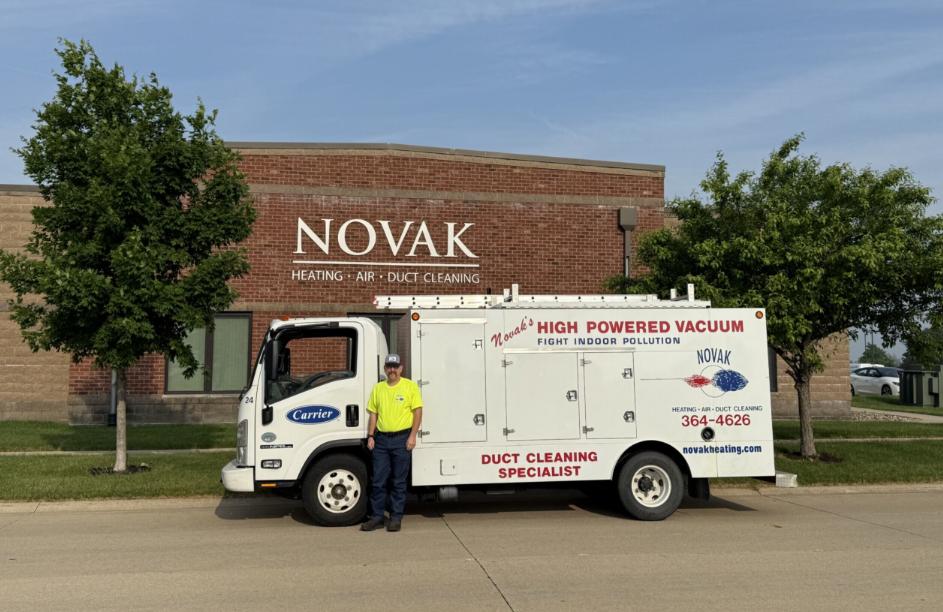
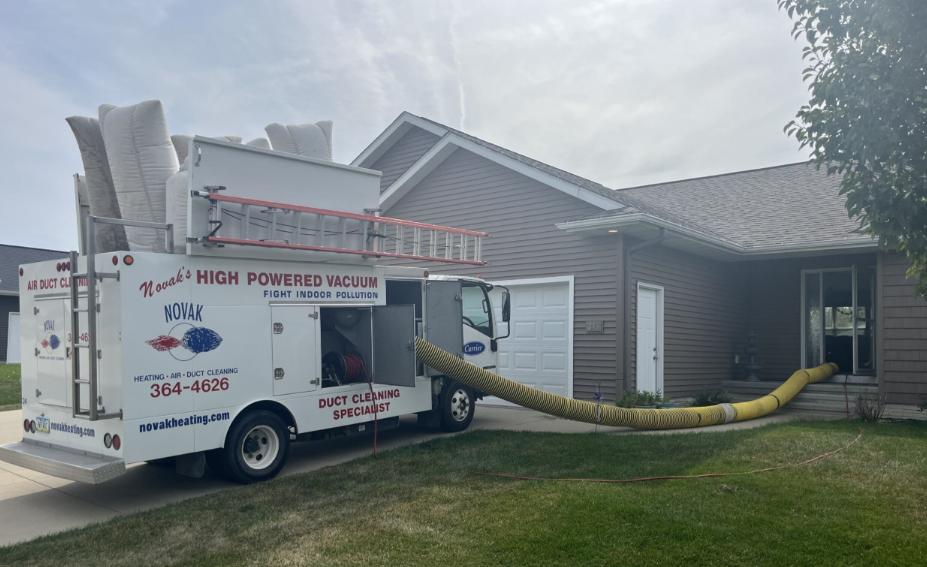
At Novak Heating Air & Duct Cleaning, we offer professional heating, cooling, and indoor air quality services, including detailed duct cleaning. Find out more about this service, signs that your home may be due for a cleaning, and how Novak can help improve the air quality in your home.
Excessive Dust Around Your Home
One of the clearest signs that your ductwork may need cleaning is an unusual amount of dust inside your home. If you notice dust collecting quickly on furniture, ceiling fans, vents, or surfaces shortly after cleaning, your duct system could be circulating contaminants through the air.
While some household dust is normal, excessive buildup may indicate that debris inside the ducts is being pushed into your living spaces every time the HVAC system runs. This is especially common in older homes or homes that have not had duct cleaning in many years.
You may also notice dust gathering around supply vents or dark streaks forming on vent covers. These are signs that particles are moving through the system and into the home.
Allergy or Respiratory Symptoms are Getting Worse
Indoor air quality plays a major role in your health and comfort. Dirty ductwork can trap allergens such as pollen, pet hair, mold spores, and dust mites. Once your HVAC system turns on, these contaminants may circulate throughout the home.
If family members are experiencing symptoms like sneezing, coughing, congestion, headaches, itchy eyes, or worsening asthma indoors, dirty ducts could be contributing to the problem. This is especially important during seasonal allergy periods in the Cedar Rapids area when pollen counts are already high.
While duct cleaning is not a cure for allergies, cleaner ducts may help reduce the amount of airborne irritants inside your home.
Strange or Musty Odors Coming from the Vents
Your HVAC system should not make your home smell unpleasant. If you notice musty, stale, or dusty odors when the furnace or air conditioner starts running, debris inside the ductwork may be the cause.
Moisture can sometimes develop inside ducts, especially in humid conditions or if there are leaks in the system. This can create an environment where mold or mildew may grow. A persistent musty smell is often one of the earliest warning signs of contamination inside the ducts.
Other odors can also build up over time from pet hair, tobacco smoke, cooking grease, or household chemicals that circulate through the system.
If the smell seems strongest near the vents or appears only when the HVAC system is operating, it may be time to schedule a professional inspection.
Visible Mold Around Vents or Inside Ducts
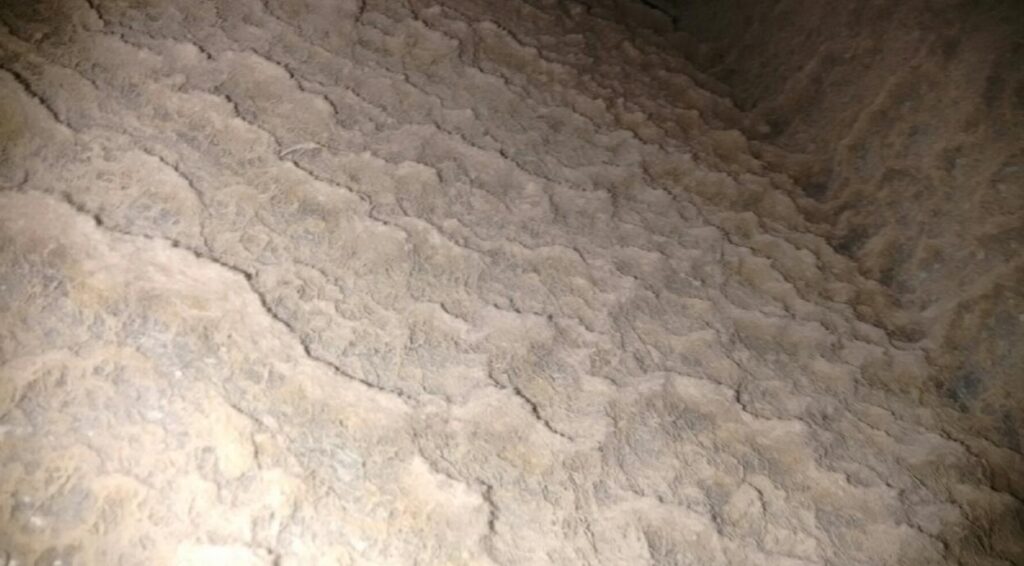 Mold growth should never be ignored. If you see discoloration, dark spots, or fuzzy growth around vents or inside visible duct sections, your system may need immediate attention.
Mold thrives in damp environments, and any moisture problem within the HVAC system can encourage growth. Once mold spores enter the airflow, they can spread throughout the home and negatively affect indoor air quality.
A professional HVAC technician can determine whether the issue is actually mold and identify the source of the moisture problem. In many cases, cleaning the ducts alone is not enough unless the moisture issue is also corrected.
Your Home Recently Went Through Renovations
Home remodeling projects create a surprising amount of dust and debris. Even if contractors covered vents during construction, fine particles from drywall, wood, insulation, or flooring materials can still enter the duct system.
After renovations, homeowners often notice increased dust buildup or reduced air quality. This is because construction debris may continue circulating through the HVAC system long after the project is complete.
Scheduling duct cleaning after a major renovation can help remove leftover debris and improve overall indoor cleanliness.
Uneven Airflow Throughout the House
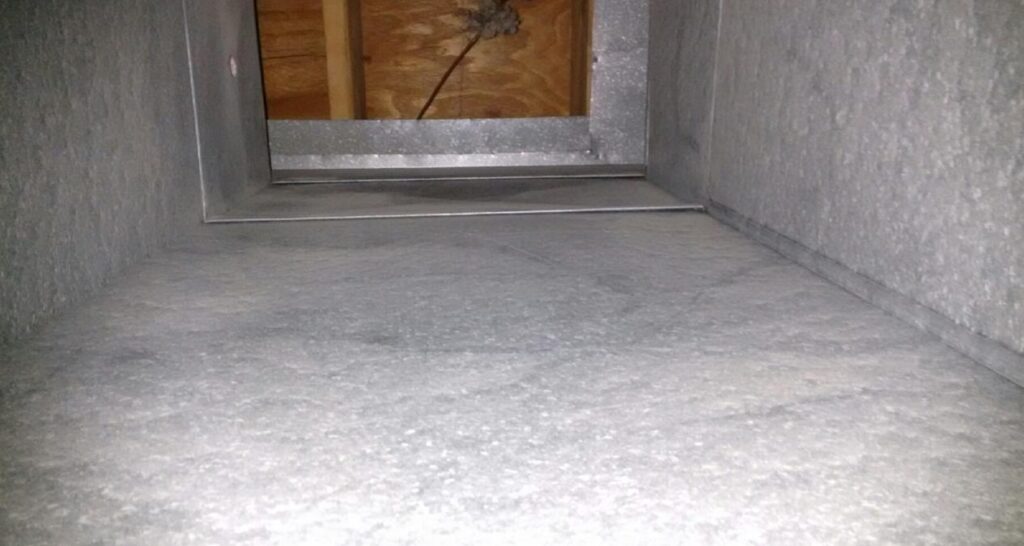 Dirty ducts can sometimes contribute to airflow problems. If certain rooms in your home feel stuffy, receive weak airflow, or struggle to maintain consistent temperatures, buildup inside the ducts may be restricting air movement.
While uneven airflow can also result from other HVAC issues, heavily contaminated ducts may reduce efficiency and force the system to work harder than necessary.
A professional inspection can help determine whether duct cleaning or another repair is needed to restore proper airflow.
Higher Energy Bills Without a Clear Reason
Have your utility bills started climbing even though your HVAC usage has stayed about the same? Dirty ductwork may be one factor reducing system efficiency.
When airflow is restricted by dust and debris, your furnace or air conditioner has to work harder to move air through the system. This added strain can increase energy consumption and place unnecessary wear on HVAC components.
Although duct cleaning alone will not solve every efficiency issue, it may help improve airflow and support better system performance when combined with routine HVAC maintenance.
You Notice Insects or Rodents in the Ductwork
Pests inside your duct system are a serious concern. Rodents and insects can leave behind droppings, nesting materials, hair, and bacteria that circulate through the air in your home.
Signs of pest activity may include scratching sounds in walls or ceilings, unpleasant odors, visible droppings near vents, or pieces of debris blowing from the registers.
If pests have entered the ductwork, the system should be professionally cleaned after the infestation is resolved. Otherwise, contaminants may remain inside the ducts and continue affecting indoor air quality.
Your Air Filter Gets Dirty Very Quickly
Air filters naturally collect dust and airborne particles, but if your filter becomes clogged unusually fast, dirty ductwork may be contributing to the issue.
Excess debris inside the ducts can increase the amount of particles circulating through the HVAC system, forcing filters to work harder. This may shorten the lifespan of the filter and reduce airflow throughout the home.
Checking your air filter regularly can provide valuable clues about the condition of your HVAC system overall.
How Often Should Ductwork Be Cleaned?
There is no universal schedule for duct cleaning because every home is different. Factors like pets, allergies, smoking, renovations, humidity levels, and the age of the home all play a role.
In general, most homeowners should consider duct cleaning every three to five years, through some homes may benefit from more frequent service. The best approach is to have your HVAC system inspected by a qualified professional who can evaluate the condition of the ductwork and recommend cleaning only when necessary.
Schedule Ductwork Cleaning in Cedar Rapids, IA
If your home feels dusty, your allergies are acting up, or your vents are producing strange odors, your ductwork may be overdue for professional cleaning. Cleaner ducts can support better airflow, improved indoor air quality, and a more comfortable living environment for your family.
To learn more about our professional duct cleaning services, or to schedule service, contact Novak Heating Air & Duct Cleaning at (319) 364-4626.