As summer temperatures climb in Cedar Rapids, a struggling air conditioner can quickly turn comfort into frustration. But how do you know if your system simply needs a repair—or if it’s time to consider a full replacement?
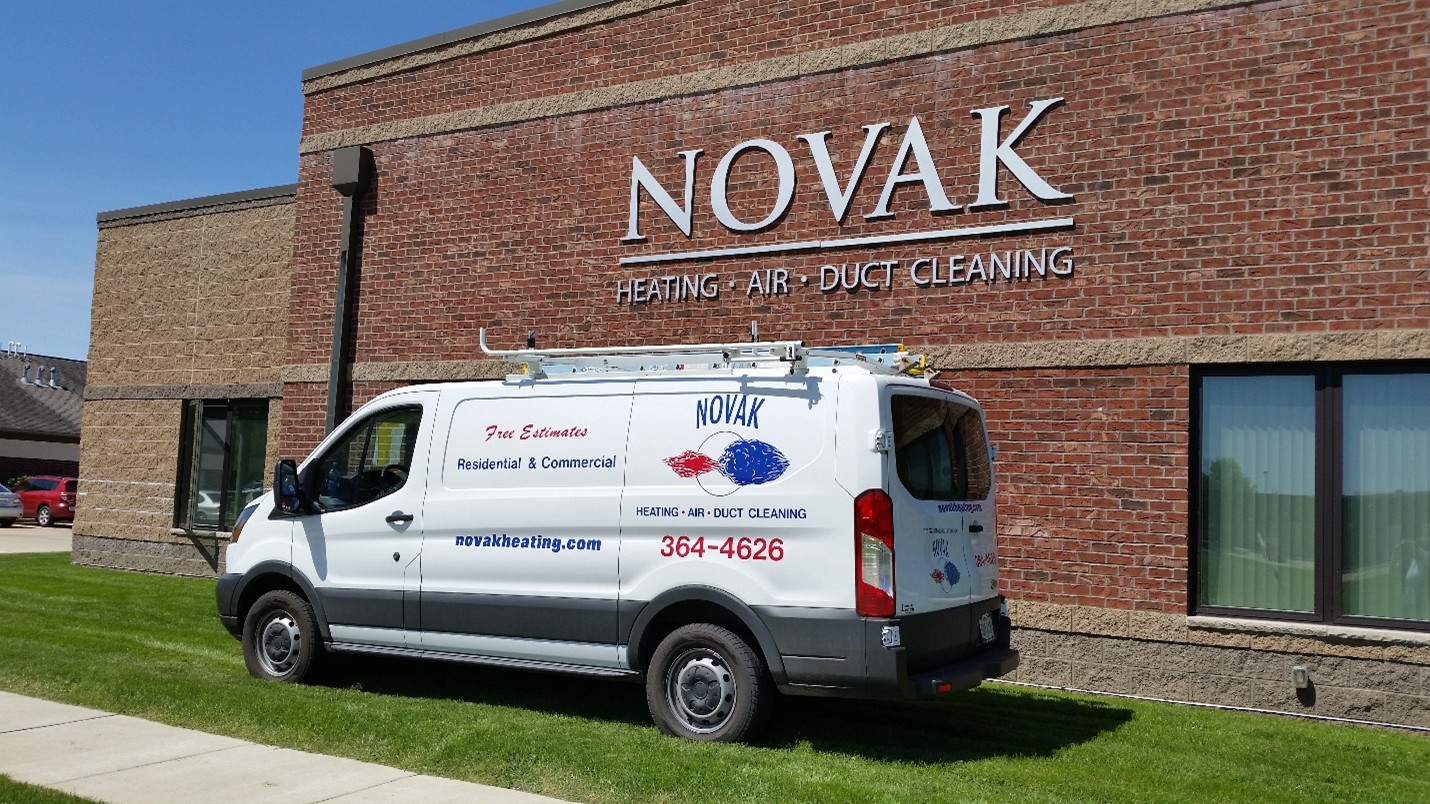
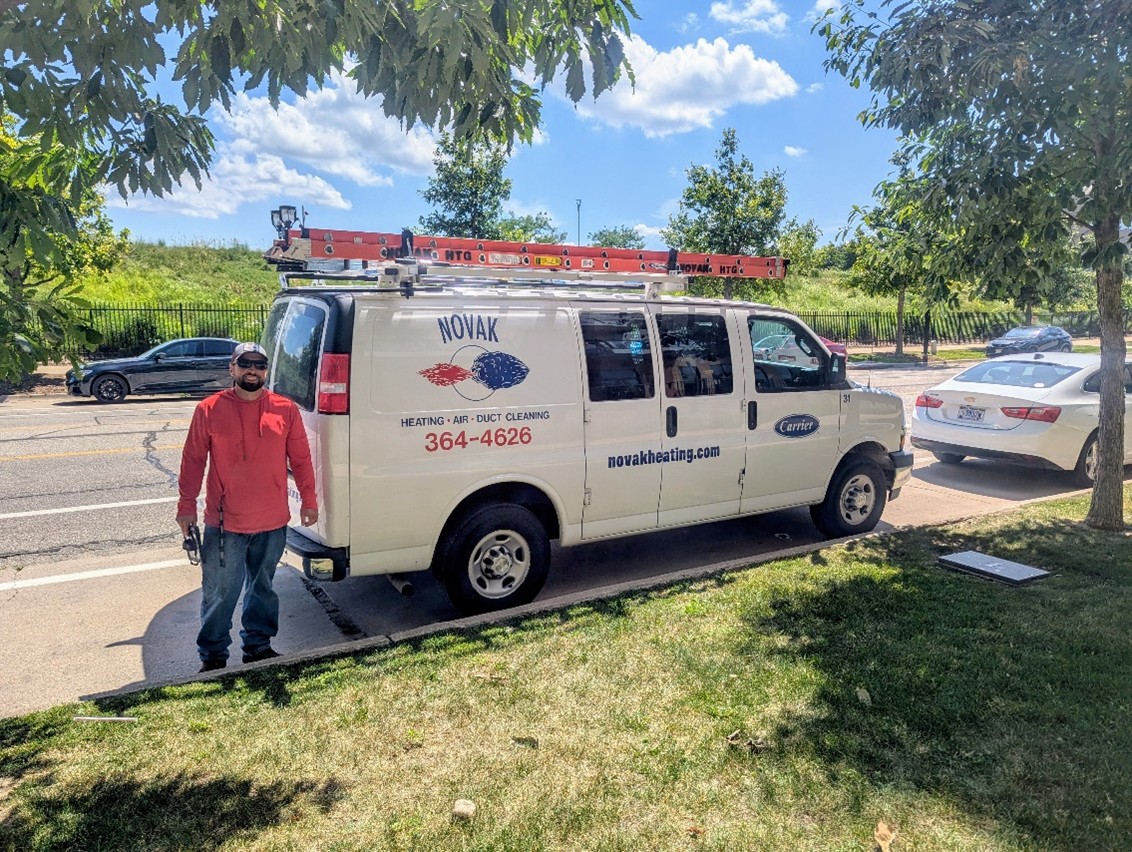
At Novak Heating, Air & Duct Cleaning, we’ve been helping homeowners make the right call since 1934.
In this blog, we’ll walk you through the key signs to look for, the pros and cons of repair vs. replacement, and how to make the best decision for your home and budget.
Signs Your AC Needs Repair
Your AC should keep your home cool and comfortable without strange sounds, weak airflow, or sudden temperature swings. If something seems off, it may need repairs to restore its performance. Here are the key signs to watch for:
1. Weak or Inconsistent Airflow
If your AC is running but some rooms feel cooler than others, there’s likely a problem with airflow. Clogged air filters, leaky ductwork, or a failing blower fan can all cause weak circulation.
 Check the air filter first — a dirty filter restricts airflow and reduces cooling efficiency.
- Inspect vents and registers for dust buildup or obstructions that could block airflow.
 Check the air filter first — a dirty filter restricts airflow and reduces cooling efficiency.
If the issue persists, a technician can check for duct leaks or motor problems.
2. Blowing Warm Air Instead of Cool Air
Your AC should deliver cold, consistent air when it’s on. If it’s blowing warm air, something is wrong.
- Low refrigerant levels prevent the system from cooling properly.
- A failing compressor struggles to regulate temperature.
- Thermostat issues may cause the unit to run incorrectly.
A professional can check refrigerant levels, inspect the compressor, and recalibrate the thermostat if needed.
3. Unusual Noises (Banging, Squealing, Clicking, or Humming)
Strange noises are a warning sign that something inside your AC isn’t working right.
- Banging or rattling often means a loose or broken part inside the compressor.
- Squealing may indicate belt issues or a failing motor.
- Clicking sounds during startup could be an electrical problem.
If your AC is making loud or unusual noises, turn it off and schedule a repair before the damage gets worse.
4. Foul or Musty Odors

Your AC should never produce unpleasant smells. If you notice a bad odor, it’s time to investigate.
- A burning smell could mean overheating components or wiring issues.
- A musty odor is often a sign of mold growth inside the unit or ductwork.
Mold and electrical issues can affect air quality and safety, so it’s important to have them checked as soon as possible.
If odors persist, Novak can clean your ductwork and check for mold, improving your indoor air quality.
5. Constant Cycling (Turning On and Off Frequently)
An AC that constantly turns on and off without maintaining a steady temperature is struggling.
- A faulty thermostat may be misreading the temperature and shutting the system off too soon.
- Dirty condenser coils force the AC to work harder, causing frequent cycling.
- An oversized or undersized unit won’t regulate temperature properly.
Frequent cycling reduces efficiency and increases wear and tear, leading to bigger problems over time.
6. Leaks or Moisture Around the Unit
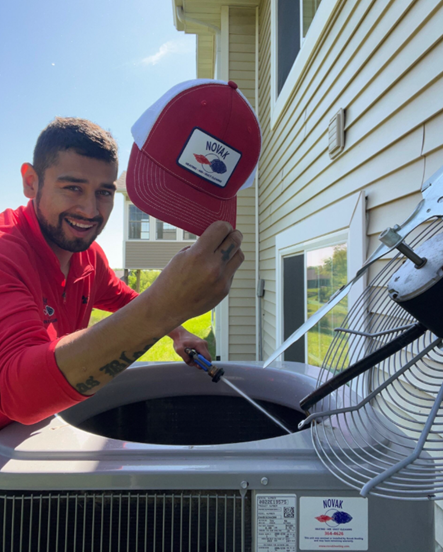
Water pooling near your AC isn’t normal. It could indicate a refrigerant leak or a clogged drain line.
- Refrigerant leaks can prevent the system from cooling and may pose a health risk.
- Blocked condensate drain lines can cause water buildup and potential mold growth.
If you notice leaks, turn off the unit and call a professional to prevent further damage.
Novak Heating, Air & Duct Cleaning’s certified technicians are trained to handle refrigerant safely and clear drainage issues before they turn into costly repairs.
7. Rising Energy Bills
A sudden spike in energy costs often means your AC is working harder than it should.
- Dirty filters and coils force the system to use more energy.
- Worn-out components cause inefficiencies that drive up power consumption.
- Older units lose efficiency over time, leading to increased cooling costs.
If your energy bills are climbing with no change in usage, your AC may need maintenance or repairs to restore efficiency.
Novak provides energy-efficient solutions, from system tune-ups to high-efficiency AC installations, helping homeowners lower their monthly bills and extend the lifespan of their units.
When to Replace Instead of Repair
Some AC issues can be fixed, but others signal that it’s time for a full replacement. If repairs are frequent, costly, or your unit is outdated, upgrading to a new system may be the smarter move. Here’s when replacing your AC makes more sense than repairing it:
1. The Unit is Over 10-15 Years Old
Most AC systems last 10 to 15 years before wear and tear start affecting performance. If your unit is nearing this range and struggling to cool your home, it’s time to think about replacing it.
- Older models lose efficiency over time, consuming more electricity to produce the same cooling effect.
- New AC units with higher SEER ratings (Seasonal Energy Efficiency Ratio) are designed to use less energy while providing stronger, more consistent cooling.
Newer systems run more efficiently, offer better cooling, and require fewer repairs — saving you money and frustration in the long run.
2. Frequent Repairs Are Adding Up
If your AC breaks down multiple times a year, repair bills can add up fast.
- One minor repair may not be a big deal, but constant breakdowns signal bigger issues.
- If you’re calling a technician more than once or twice a season, your system is becoming unreliable.
Instead of pouring money into an aging unit, investing in a new system eliminates the stress of constant repairs.
3. Your AC Uses R-22 Freon (Now Phased Out)
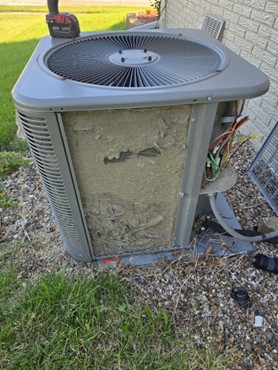
R-22 refrigerant, commonly known as Freon, was banned in 2020 due to environmental concerns.
- If your AC still uses R-22, refilling refrigerant will only get more expensive since supplies are limited.
- Newer AC models use R-410A or other eco-friendly alternatives, which are more efficient and widely available.
If your system is running on outdated refrigerant, replacing it now can save you from future repair headaches.
4. The $5,000 Rule
A simple formula can help decide between repair and replacement:
Repair Cost x Age of the Unit (in years) = Decision
- If the total is under $5,000, a repair might be worth it.
- If the total exceeds $5,000, replacement is the smarter long-term choice.
For example, a $700 repair on an 8-year-old unit = $5,600. That’s a clear sign it’s time for a new system.
Making the Right Choice
An aging or inefficient AC can be more of a hassle than a help, driving up energy costs and failing to keep your home comfortable. If your unit is constantly breaking down or struggling to cool, replacing it with a modern, high-efficiency system could save you money and improve performance.
Not sure if a repair or replacement is the smarter move?
Novak’s certified technicians can evaluate your system, diagnose the issue, and give you a clear, honest recommendation. With 24/7 service, repairs for all brands, and professional HVAC solutions, Novak Heating, Air & Duct Cleaning ensures you get the best performance out of your system — whether through repair or a new installation.
Preventative Maintenance Tips to Extend Your AC’s Lifespan
Regular maintenance prevents unexpected breakdowns, improves efficiency, and extends your system’s life. Here’s what you can do to keep your AC running smoothly.
Change Air Filters Regularly
A clogged filter blocks airflow, making your AC work harder. Over time, this can lead to frozen coils and poor cooling.
- Replace filters every 1–3 months, depending on usage and household conditions.
- Homes with pets or allergies may need more frequent changes.
Clean filters improve airflow and help maintain energy efficiency.
Schedule Annual Tune-Ups
Routine professional maintenance ensures small issues don’t turn into costly repairs.
- A technician will check refrigerant levels, clean coils, and inspect electrical connections.
- Annual tune-ups keep efficiency high and reduce unexpected failures.
Many homeowners schedule maintenance before peak cooling seasons to prevent breakdowns.
Keep the Outdoor Unit Clear
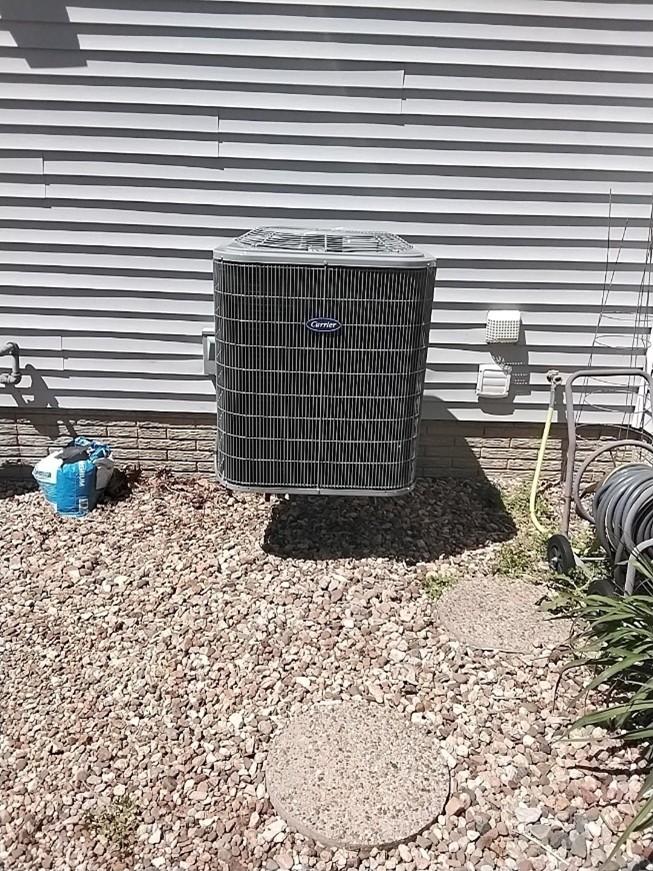
The condenser unit needs space for proper airflow. Dirt, leaves, and debris can block ventilation and reduce performance.
- Maintain at least two feet of clearance around the unit.
- Hose down the coils occasionally to remove buildup.
A clean outdoor unit ensures optimal efficiency and prevents overheating.
Seal Air Leaks & Improve Insulation
Cool air can escape through gaps around doors, windows, or ductwork, forcing your AC to run longer than necessary.
- Use weather stripping and caulk to seal leaks and reduce cooling loss.
- Proper insulation helps maintain stable indoor temperatures.
Addressing air leaks can lower energy costs and improve AC performance.
Upgrade to a Programmable Thermostat
Frequent thermostat adjustments can strain your AC and increase energy use. A programmable or smart thermostat helps maintain a steady temperature without unnecessary cycling.
- Set schedules to avoid cooling an empty house.
- Optimize temperatures to balance comfort and efficiency.
A well-regulated thermostat reduces wear and tear, helping extend the lifespan of your AC system.
Stay Ahead with Preventive Maintenance
A little maintenance can go a long way in avoiding costly repairs and keeping your AC running efficiently. If your unit hasn’t been serviced recently, a professional inspection can catch minor issues before they escalate.
For homeowners looking for reliable HVAC care, Novak offers maintenance services, tune-ups, and expert repairs to ensure your system stays in peak condition. Regular checkups not only improve performance but also help lower energy bills and prevent future breakdowns.
Frequently Asked Questions
How do I know if my AC is dying?
Frequent repairs, weak airflow, and high energy bills are clear signs your AC may be on its last legs. If your unit struggles to keep your home cool despite regular maintenance, replacement may be a better option.
Is it worth fixing an old AC?
If your unit is over 10 years old and the cost of repairs exceeds 50% of the price of a new system, it’s usually smarter to replace it. Older systems are also less energy-efficient, leading to higher utility bills over time.
Can a bad AC unit affect my health?
Yes, a failing AC can negatively impact indoor air quality. Poor filtration, mold buildup, and excess humidity can trigger allergies, asthma, and other respiratory issues. A properly functioning system helps keep the air clean and comfortable.
How much does it cost to replace an AC unit?
A new AC system typically costs between $3,000 and $7,000, depending on the size, brand, and installation fees. High-efficiency models may cost more upfront but save money on energy bills over time.
How long does a new AC system last?
With regular maintenance, a high-quality AC unit can last 12–15 years. Proper filter changes, annual tune-ups, and cleaning the outdoor unit help extend its lifespan and maintain peak efficiency.
Conclusion
Deciding between repairing or replacing your air conditioner isn’t always easy, but you don’t have to make the call alone. The experienced team at Novak Heating, Air & Duct Cleaning is here to help you weigh your options and choose the most cost-effective and reliable solution for your home. Whether it’s a quick fix or a brand-new system, you can count on our trusted service—backed by over 90 years of experience in the Cedar Rapids area.
Need help with your AC? Contact us today to schedule an inspection and get honest, expert advice you can rely on.