Is Your Old Furnace Trying to Tell You Something?
 It’s 11 p.m. in January. The thermostat says 68, but the house feels like 60. You hear the furnace click on, then a rattle you’ve never heard before. Then nothing.
Sound familiar?
If your furnace is 12, 15, or even 20 years old, you’ve probably asked yourself the big question. Do I keep paying for repairs, or do I bite the bullet and replace it? It’s frustrating, because nobody wants to waste money on either choice.
Here’s the thing: furnace maintenance is more than keeping your system running. A good tune-up is also the best decision tool you have. In this guide, you’ll learn what maintenance actually does for an aging furnace and which warning signs matter. You’ll also get a simple way to decide between repair and replacement, without guessing.
What Furnace Maintenance Really Does (It’s Not Just a Filter Swap)
A lot of homeowners think a tune-up is a quick look and a new filter. A real one goes much deeper.
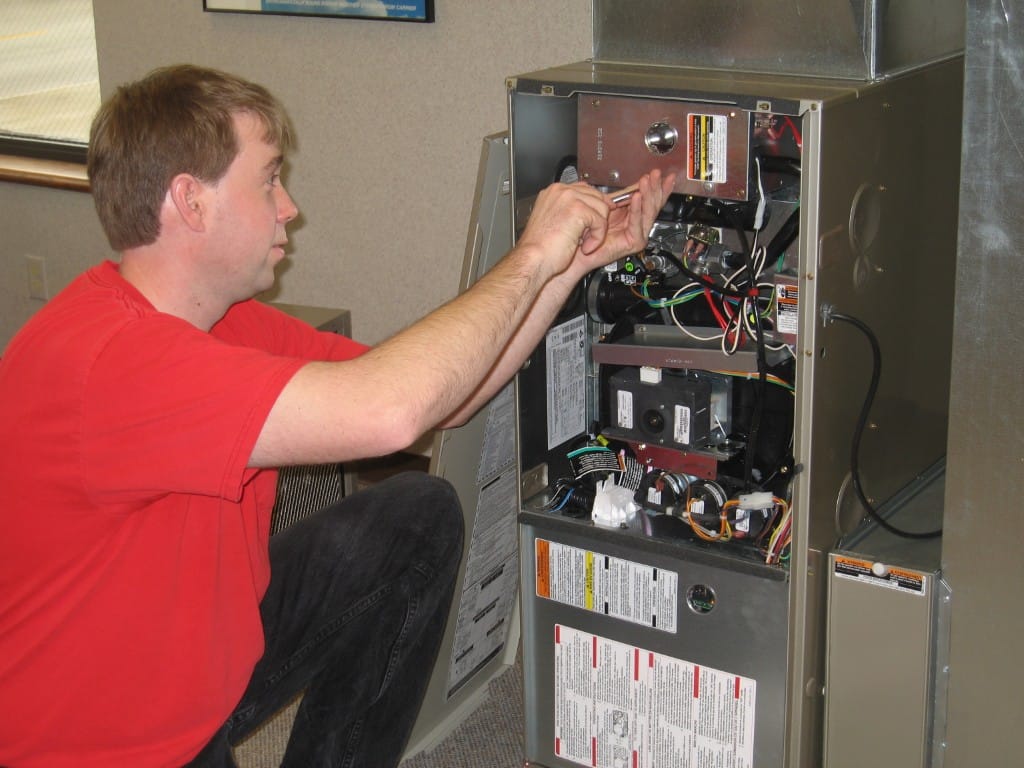
During a proper furnace tune-up service, a tech checks the burners, the flame sensor, and the igniter. They test safety switches and check gas pressure. They also look closely at the heat exchanger, the metal part that keeps combustion gases away from the air you breathe.
They measure how the system is running, too. Temperature rise, airflow, and blower motor amps all tell a story. A motor pulling more power than it should is a motor getting tired.
The Part Most Articles Skip
Every tune-up creates a record. And that record is gold when you’re facing a repair-or-replace decision.
Think about it. If your furnace needed a $90 part last year and a $400 part this year, you can see the trend. Costs are climbing. But if your tech has written “clean, stable, no issues” three years running, that old furnace may still have plenty of life in it.
Without maintenance records, you’re making a $10,000 decision based on a gut feeling. With them, you’re making it based on facts.
Why Aging Furnaces Need Extra Attention in Iowa
Iowa winters don’t play nice. When it drops to -20°F, your furnace may run nearly nonstop for days. That’s a lot of wear on parts that are already old.
Here’s what matters. An older furnace doesn’t usually fail on a mild October afternoon. It fails on the coldest night of the year, because that’s when it’s working hardest.
High-efficiency furnaces have their own Midwest quirk. Many vent through PVC pipes on the side of the house, and those pipes can get blocked by snow drifts or ice. They also make water (called condensate) that drains away through a small line. If that line freezes or clogs, the furnace can shut itself off. A tech who works on these systems every winter knows to check both.
Small Problems Grow Up Fast
A dirty flame sensor is a cheap fix. Left alone, it can cause the furnace to short-cycle, turning on and off over and over. That extra stress wears out the igniter and the blower faster.
Then one day, a $150 problem turns into a $900 one. That’s how a lot of “my furnace just died” stories actually start.
Repair or Replace? The Honest Math
Look, there’s no magic answer that fits every home. But there are a few rules of thumb pros use to get close.
The first is the $5,000 rule. Multiply your furnace’s age by the cost of the repair. If the number is over $5,000, replacement usually makes more sense. A 16-year-old furnace with a $400 repair comes out to $6,400. That’s a sign to at least look at your options.
The second is the 50% rule. If a repair costs more than half the price of a new furnace, put that money toward a new system instead.
The third is age. Most gas furnaces last about 15 to 20 years with good care. Skip maintenance, and that number can drop.
Here’s a quick comparison to help you sort it out:
Factor | Usually Repair | Usually Replace |
Furnace age | Under 12 years | 15+ years |
Repair cost | Small vs. value of system | Over 50% of a new unit |
Age x repair cost | Under $5,000 | Over $5,000 |
Repair history | Rare, minor fixes | Repairs almost every year |
Heat exchanger | No cracks or rust | Cracked or heavily corroded |
Comfort | Even heat in most rooms | Cold spots, constant cycling |
Energy bills | Steady year to year | Creeping up with no other cause |
Parts | Easy to get | Hard to find or discontinued |
The Exceptions to Every Rule
These rules don’t work if safety is on the line. A cracked heat exchanger can let carbon monoxide into your home. If a tech finds one on an older furnace, replacement is almost always the right call, no matter what the math says.
The flip side matters too. Sometimes an 18-year-old furnace just needs a new igniter. If it’s been well cared for and the heat exchanger looks good, a cheap repair can buy you more years. Replacing it would be throwing away money.
That’s why a straight answer from your tech matters more than any formula.
Warning Signs Your Furnace Is Near the End
You might feel overwhelmed trying to figure out what’s “normal” for an old furnace. So here’s what to watch for.
Strange noises are a big one. Banging, squealing, or a loud boom when the burners light can point to worn parts or delayed ignition. A rumble after the furnace shuts off is worth a call, too.
Pay attention to the flame if you can see it. A healthy gas flame is mostly blue. A yellow or flickering flame may mean the furnace isn’t burning fuel cleanly.
Next, look at your bills. If your heating costs keep rising and your habits haven’t changed, your furnace may be losing efficiency. Older units often run at 80% efficiency or less. Many new models run at 95% or higher.
Finally, notice how your house feels. Is one bedroom always freezing? Do you see more dust than you used to? Is the air dry and stuffy? These can be signs the system can’t keep up anymore.
When It’s an Emergency
Some signs mean stop and call now. If your carbon monoxide alarm goes off, get everyone out and call 911. If you smell gas, leave and call your gas company from outside.
And if you’re out of heat on a frigid night, don’t wait until morning. That’s what 24-hour emergency heating services are for.
How Maintenance Changes the Decision
Here’s where maintenance pays off twice.
First, it keeps your furnace running better and longer. Clean burners, tight connections, and a healthy blower all reduce stress on the system. That can mean fewer surprise breakdowns.
Second, it gives you time. If your tech spots wear early, you can plan a replacement for spring or fall. That’s when you can compare options, check financing, and look for current specials. You won’t be stuck making a rushed choice in a cold house.
That’s a big deal. Replacing a furnace in an emergency means you take what’s available, fast. Planning ahead means you pick the right system for your home.
Don’t Forget Your Warranty
Many furnace warranties can be denied if the failure comes from neglect. Regular, documented maintenance helps show the system was cared for. If your furnace is still under warranty, a yearly tune-up protects that coverage.
Why the Right Technician Matters
A lot of HVAC companies work on a little bit of everything. That’s fine for basic fixes. But when you’re deciding whether to put money into an older furnace, depth matters.
Novak Heating & Cooling has been taking care of Cedar Rapids-area homes since 1934. That’s more than 90 years of Iowa winters. They’re the area’s Carrier factory authorized dealer and have earned Carrier’s President’s Award. They know one premium brand inside and out, and they bring that same care to every furnace they service.
Their approach is simple. If your furnace has years left, they’ll tell you to fix it, not replace it. If it’s time for something new, you’ll get the reasons and the price upfront before any work starts.
Owner Randy Novak was named SMACNA’s 2021 Contractor of the Year. And because the Novak family name is on every truck and guarantee, they have a real reason to get it right. You can read more about their story on the About Us page.
Make Furnace Maintenance Something You Never Think About
Here’s what matters most. The best maintenance plan is the one you don’t have to remember.
With Worry-Free Maintenance from Novak Heating & Cooling, your furnace gets checked on schedule. You get priority service when you need it. And every visit adds to the record that helps you make smart choices down the road.
If the news isn’t good, you’ll know early. A furnace repair might be all it takes. If replacement makes more sense, their team can walk you through furnace installation options that fit your home and budget. Some homeowners even look at a heat pump paired with a furnace for better efficiency.
Frequently Asked Questions
How often does an older furnace need maintenance?
Once a year, ideally in early fall before the first cold snap. For furnaces over 15 years old, that yearly visit matters even more. It catches worn parts before winter puts them under heavy load. Check your filter every one to three months, too.
Can furnace maintenance make an old furnace last longer?
Yes, within limits. Maintenance can’t reverse age, but it slows wear on key parts like the blower, igniter, and heat exchanger. A well-kept furnace often reaches the high end of the 15 to 20 year range. A neglected one may not.
Is it worth paying for a tune-up on a furnace I might replace soon?
Usually, yes. A tune-up tells you whether the furnace is safe and how much life is left. That helps you decide between one more season or a planned replacement. It also checks for carbon monoxide risks, which matter no matter how old the unit is.
What does a furnace tune-up cost compared to a repair?
A tune-up typically costs far less than most repairs. It’s one of the cheapest ways to avoid an emergency call on a holiday or the coldest night of the year. Plan members often get extra perks, like priority scheduling.
 Your Next Move: Know Before It Goes
 Your Next Move: Know Before It Goes
An aging furnace doesn’t have to keep you up at night. Regular furnace maintenance keeps it running safely and spots small problems early. It also gives you real facts when it’s time to decide between repair and replacement.
Use the $5,000 rule and the 50% rule as guides. Take safety issues like a cracked heat exchanger seriously. And get an honest opinion from a tech who knows furnaces inside and out.
Ready to find out how much life your furnace has left? Contact Novak Heating & Cooling or call (319) 364-4626 to book your tune-up today. Comfort, handled. Since 1934.