The Furnace Doesn’t Pick a Good Time to Quit
 It’s 2 a.m. in January. It’s −15°F outside, and the house is quiet. Too quiet.
You don’t hear the click and whoosh of the furnace. You pull the blanket up, check the thermostat, and watch the number drop. Sound familiar? If your furnace is 12, 15, or 20 years old, you’ve probably pictured this night more than once.
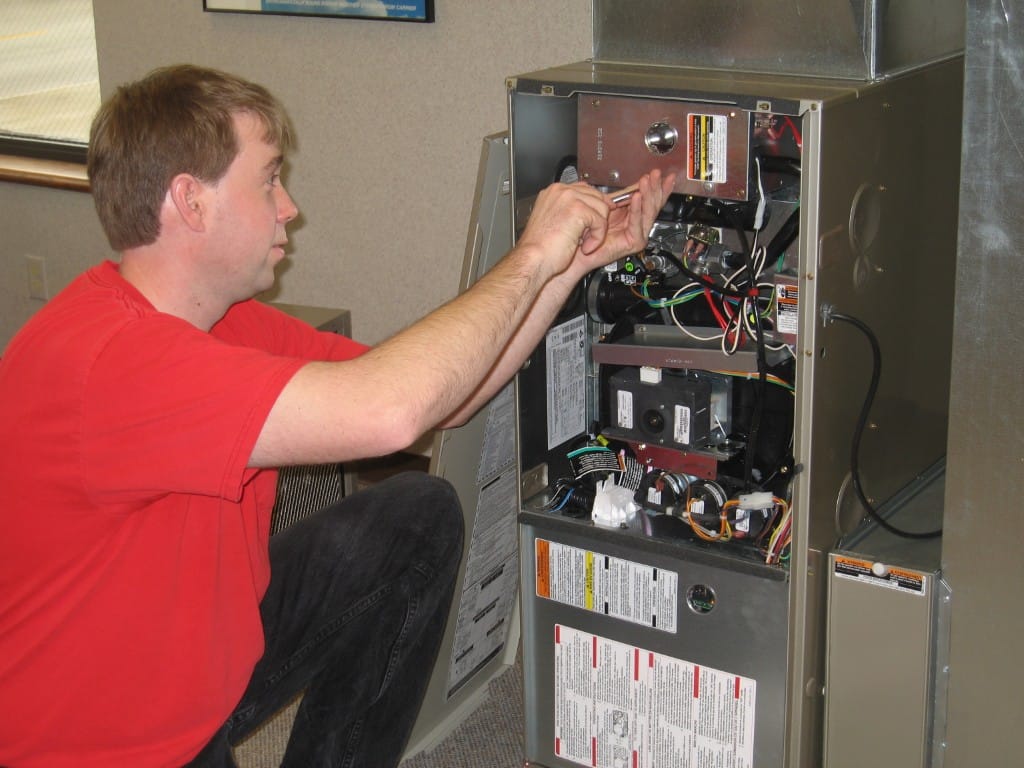
Here’s the thing: most mid-winter breakdowns don’t come out of nowhere. They start as small problems in the fall. A dirty flame sensor, a worn igniter, or a motor that’s straining a little more each year. Good furnace maintenance finds those problems while it’s still 50 degrees outside and fixing them is calm and cheap.
In this guide, you’ll learn what changes as a furnace ages, what a real tune-up should cover, which warning signs to watch for, and how to tell when repair still makes sense. No scare tactics. Just what you need to get through the winter without that 2 a.m. surprise.
Why Older Furnaces Need a Different Kind of Care
A furnace isn’t like a car you drive every day. It sits quiet all summer. Then, in a cold snap, it may run for hours with barely a break.
That stop-and-start pattern is hard on parts. And after about 10 years, the wear starts to stack up.
What Actually Wears Out After Year 10
Most gas furnaces last around 15 to 20 years. But they don’t fail all at once. They fail one part at a time.
The hot surface igniter gets brittle from heating up thousands of times. The flame sensor builds up a thin coat of grime, so the furnace lights and then shuts off a few seconds later. The inducer motor, which pushes exhaust out of your home, starts to hum or rattle. Capacitors weaken. Belts and bearings on older blower motors dry out.
None of these is a big deal by itself in October. Each one can leave you without heat in February.
The Part You Can’t See (and Shouldn’t Ignore)
Then there’s the heat exchanger. This is the metal chamber that keeps burning gas and exhaust separate from the air you breathe.
After years of heating up and cooling down, the metal can crack. A cracked heat exchanger can let carbon monoxide into your home. You can’t see it, smell it, or hear it. This is the single biggest reason an older furnace should be checked by a trained tech every year, not just “when it acts up.”
Look, this isn’t meant to scare you. It’s meant to explain why “it still turns on” isn’t the same as “it’s safe and ready.”
What Real Furnace Maintenance Covers
You might feel a little skeptical about tune-ups. Maybe you’ve had a tech show up, change the filter, and leave 15 minutes later. That’s frustrating, and it’s not real maintenance.
A proper tune-up on an aging furnace takes time. Here’s what should happen and why each step matters more as your system gets older.
Maintenance Task | What the Tech Does | Why It Matters More on an Older Furnace |
Heat exchanger inspection | Looks for cracks, rust, and soot | Cracks are more common after 12–15 years and can leak carbon monoxide |
Flame sensor cleaning | Gently cleans the sensor rod | Grime is the top cause of “lights, then shuts off” calls |
Igniter check | Tests for cracks and proper resistance | Older igniters often fail on the first cold night |
Gas pressure and burner check | Measures pressure, cleans burners, checks flame color | A poor flame wastes fuel and can create soot |
Inducer and blower motor test | Checks amp draw, bearings, and noise | Motors strain more with age and give warning signs first |
Capacitor test | Measures stored charge against its rating | Weak capacitors can stop a motor cold |
Venting and flue check | Looks for blockages, leaks, and loose joints | Safe venting keeps exhaust out of your living space |
Safety controls test | Tests the limit switch and pressure switch | These shut the furnace down before something dangerous happens |
Filter and airflow check | Replaces or checks the filter, measures airflow | Poor airflow makes an old furnace overheat and shut down |
Carbon monoxide test | Checks the air near the furnace and vents | Gives you peace of mind about your family’s safety |
That table is the difference between a “filter swap” and real care. If your last tune-up didn’t touch most of that list, it’s worth asking why.
The Numbers Tell the Story
Here’s an angle many guides skip. A good tech doesn’t just look. They measure and write the readings down.
Why? Because one year’s numbers don’t say much. But a motor that drew a little more power this year than last year is telling you something. So is a capacitor that’s slipping below its rating. When those readings are tracked year after year, a tech can say, “This part will probably make it through winter,” or “Let’s replace it now, before it quits in January.”
That’s how you avoid emergencies. Not with luck. With a record.
The Fall “Shoulder Test” Most Homeowners Skip
Want to know a simple trick? Don’t wait for the first freezing night to turn your heat on.
Pick a cool fall day, around 50 or 60 degrees, and bump the thermostat up a few degrees. Let it run for 20 to 30 minutes. A faint dusty smell the first time is normal. That’s just a summer’s worth of dust burning off.
But pay attention to anything else. Does it start on the first try? Does it shut off and restart over and over? Do you hear banging, squealing, or grinding? Is the air coming out actually warm?
If something seems off, you just found it at the best possible time. Repair crews aren’t slammed yet. Parts are easier to get. And you’re not shivering while you wait.
Warning Signs Your Furnace Is Asking for Help
Some signs are easy to brush off. Don’t.
A yellow or flickering burner flame (instead of steady blue) can mean poor burning. Short cycling, where the furnace turns on and off a lot, often points to a dirty sensor or airflow trouble. Higher gas bills with no change in your habits mean the system is working harder for the same heat. And if some rooms are cold while others are toasty, airflow or blower trouble is a likely cause.
One sign isn’t a maybe. If your carbon monoxide alarm sounds, or anyone in the home has headaches, dizziness, or nausea that ease up when they leave the house, get everyone outside and call 911 or your gas company first. Then call an HVAC pro.
What You Can Do Yourself (and What You Shouldn’t)
Here’s what matters: some furnace care is easy and safe for any homeowner.
Change your filter. Most 1-inch filters need swapping every one to three months during heating season. Thicker media filters can often go six months or more. If you have pets or someone in your home has allergies, check it more often.
Keep the area around the furnace clear. Boxes, paint cans, and laundry piles block airflow and can be a fire risk. Make sure supply and return vents in each room aren’t covered by furniture or rugs. And test your carbon monoxide detectors every month.
The exception? Anything inside the furnace cabinet. Gas lines, burners, electrical parts, and the heat exchanger are jobs for a trained tech. This doesn’t work as a weekend DIY project. A mistake with gas or high voltage isn’t worth the money you’d save.
Repair or Replace? An Honest Way to Decide
Let’s be real. If your furnace is 15 years old, you’re probably wondering if maintenance is just delaying the inevitable.
Sometimes it is. Often, though, it’s not.
The Simple Math Pros Use
Many HVAC pros use a quick rule of thumb. Multiply the furnace’s age by the repair cost. If the result is over $5,000, replacement is usually the smarter move. If it’s well under, repair often makes sense.
So a 14-year-old furnace with a $250 igniter repair? That’s $3,500. Fix it. A 19-year-old furnace with a $900 inducer motor repair? That’s $17,100. It’s time to start planning a replacement.
That’s a starting point, not a final answer. A cracked heat exchanger on an older furnace almost always means replacement, because of the safety risk and cost. On the other hand, a well-kept 18-year-old unit with no major issues may have several good years left.
Why Maintenance Helps Even if Replacement Is Coming
Here’s something people don’t think about. Regular maintenance gives you time to choose.
When your furnace dies in January, you replace it in a rush. You take what’s in stock, from whoever can come fastest, at whatever price. When a tech tells you in October that your system is near the end, you get to compare options, think about efficiency, and plan your budget. That’s a huge difference for a purchase you’ll make maybe twice in your life.
Why the Right Tech Makes All the Difference
Not every tune-up is equal, because not every tech knows your equipment equally well.
At Novak Heating & Cooling, the Novak family has been keeping Cedar Rapids–area homes warm since 1934. As the area’s Carrier factory authorized dealer and a Carrier President’s Award winner, our techs work on one premium brand day in and day out. That depth matters on older systems, where knowing a model’s common weak spots helps catch a problem before it becomes an emergency. We also service furnaces from other brands.
Our approach is simple. You get an honest recommendation and an upfront price before any work begins. If your furnace has years left, we’ll say so and fix it. No pressure to replace something that doesn’t need replacing.
And if you’d rather not think about any of this again, our Worry-Free Maintenance plans handle the reminders and the yearly tune-up for you. Members get priority service, which matters a lot when half the Corridor’s furnaces are struggling during the first real cold snap.
Frequently Asked Questions
How often does an older furnace need maintenance?
Once a year, ideally in early fall before heavy use begins. Furnaces over 15 years old benefit from the same yearly visit, but with closer attention to the heat exchanger, motors, and safety controls. Tracking readings year to year is what helps predict failures.
Can furnace maintenance really prevent a winter breakdown?
It can’t promise zero breakdowns, but it prevents many of the common ones. Dirty flame sensors, weak igniters, failing capacitors, and clogged filters cause a big share of no-heat calls, and a tune-up catches all four. Catching a worn part in October is far easier than replacing it during a January rush.
Does skipping maintenance affect my furnace warranty?
It can. Many manufacturers’ warranties require proof of regular professional maintenance. If a covered part fails and there’s no service record, a claim could be denied. Keep your tune-up receipts in one place.
Is it worth maintaining a 20-year-old furnace?
Yes, especially for safety. Even if replacement is on the horizon, a yearly inspection checks for heat exchanger cracks and carbon monoxide risk. It also tells you how much time you likely have left, so you can plan the replacement instead of being forced into one.
 Sleep Through the Cold Snap
An aging furnace doesn’t have to mean a winter full of worry. Most breakdowns start as small, fixable problems. A real tune-up finds them early. A simple fall test run helps you spot trouble before the cold arrives. And honest repair-or-replace math keeps you from spending too much on an old system, or giving up on one that still has good years left.
The best time for furnace maintenance is before you need heat. That’s now.
Ready to stop wondering if your furnace will make it through another Iowa winter? Contact Novak Heating & Cooling to book your fall tune-up. Call (319) 364-4626, available 24 hours, or schedule online at Novak Heating & Cooling. Then let Novak Heating & Cooling handle the furnace while you stay warm.