
As the crisp fall air rolls into Hiawatha, Cedar Rapids, and surrounding areas, it’s time for homeowners to start thinking about turning on the heat. But every year, as soon as those first chilly mornings arrive, our team at Novak Heating, Air & Duct Cleaning sees a surge of service calls — many involving the same avoidable furnace problems.
Serving Cedar Rapids and the surrounding areas since 1934, we know what a properly maintained heating system looks (and sounds) like — and we also know the signs that trouble is brewing.
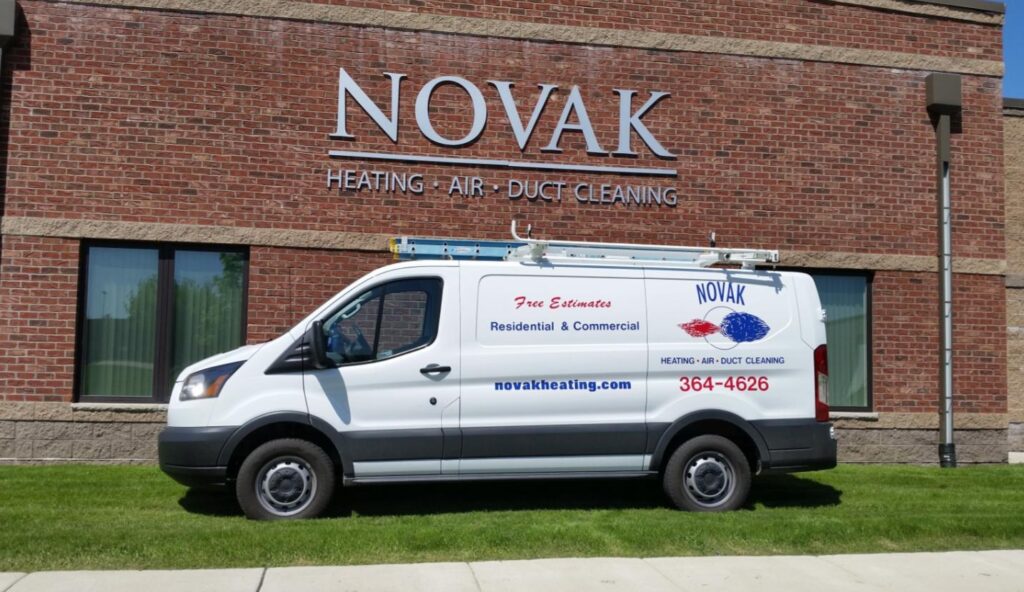
In this blog, we’ll cover the most common furnace issues we see in the fall and share expert tips on how to prevent them, so you can head into winter with peace of mind and a warm, comfortable home.
Why Fall is the Critical Time for Furnace Checkups
When your furnace sits unused through the summer, dust builds up, filters get dirty, and components may loosen. Once the first cold snap hits, the system has to work harder to switch from cooling to heating. That is when small issues show up as poor airflow, uneven heat, or even system failure.
Scheduling service in the fall gives technicians time to catch problems before the furnace is under constant demand. A tune-up can reveal worn ignitors, clogged burners, or airflow restrictions that would otherwise cause a breakdown in winter. Replacing filters, testing safety controls, and calibrating the thermostat now also help the system run more efficiently, which saves on energy bills and reduces the chance of emergency repairs later.
The Most Common Furnace Problems in Fall
1. Dirty or Clogged Air Filters
Filters protect your system, but once they are full, airflow is restricted and the furnace has to work harder. That means higher bills and even possible shutdowns.
Signs your filter needs replacing include:
- Weak airflow from vents
- Rising energy costs
- More dust around the house
In fall, check filters monthly and replace them every one to three months, depending on usage.
2. Thermostat Malfunctions
A faulty thermostat can make a healthy furnace perform poorly. Dead batteries, bad calibration, or wrong settings are often the cause. Sometimes the thermostat is still set to “cool” after summer.
Quick DIY fixes to try before calling a pro:
- Replace the batteries
- Double-check the system mode
- Adjust the temperature to see if the furnace responds
If your furnace blows cold air, the thermostat may be to blame rather than the unit itself.
3. Ignition and Pilot Light Problems
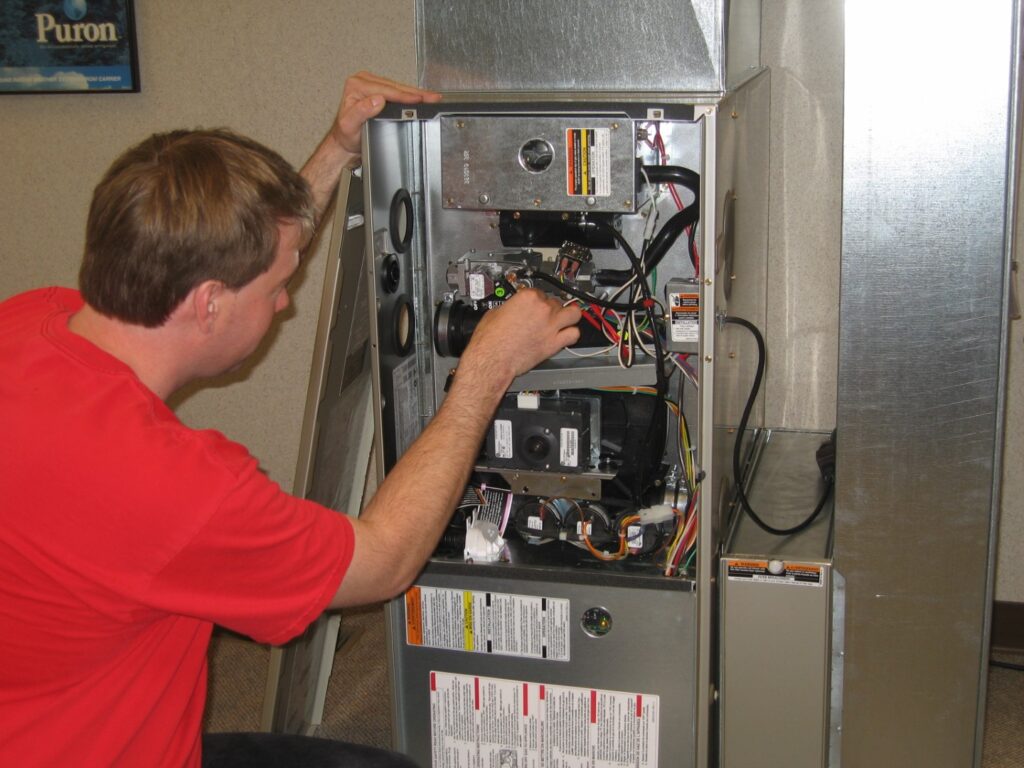
If the ignition system fails, the furnace cannot produce heat. Gas valves, dirty flame sensors, or a weak pilot light are common culprits.
Why this matters:
- A dirty flame sensor can shut the furnace down
- Gas valves and pilot lights involve safety risks
- Both gas and electronic ignitions need professional care
Because fuel and safety controls are involved, repairs should be left to trained technicians.
4. Short Cycling (Turning On and Off Too Often)
Short cycling happens when the furnace starts and stops within minutes. It is one of the most common efficiency problems we see in the fall.
Why it happens:
- Dirty filters restricting airflow
- Thermostat problems
- A furnace that is oversized for the home
This constant stop-start cycle drives up energy bills and shortens the system’s lifespan.
5. Blower Motor and Fan Issues
The blower motor is what pushes warm air into your home. When it fails, airflow may be weak or stop completely.
Common signs include:
- Rattling or grinding noises
- Weak airflow from vents
- Furnace running but no warm air
If the blower runs constantly, the fan limit switch could also be the issue.
6. Duct Leaks and Blocked Vents
Leaky ducts let heat escape before it reaches your rooms, while blocked vents stop airflow altogether. Both create uneven heating and cold spots.
Why fall is a good time to check ducts:
- Summer debris or shifting insulation may have caused damage
- Sealing leaks saves money on heating bills
- Clear vents help your furnace work more efficiently
7. Unusual Noises or Smells
Your furnace should run quietly. Strange sounds or smells are warning signs you should not ignore.
What to watch for:
- Banging, squealing, or whistling sounds
- Persistent burning odors
- Musty smells or gas odors
A slight burning smell the first time you turn it on is normal, but ongoing odors mean something is wrong.
8. Electrical and Power Problems
Some furnaces trip the breaker when they start up. While this may seem minor, repeated tripping is a sign of a larger problem.
Possible causes include:
- Failing components drawing too much power
- Wiring problems
- Overloaded circuits
If the breaker keeps tripping, schedule service quickly to avoid bigger risks.
9. Carbon Monoxide and Safety Risks
A cracked heat exchanger is one of the most serious furnace problems because it can leak carbon monoxide. This gas is colorless and odorless but extremely dangerous.
Every home should have:
- A working carbon monoxide detector near bedrooms
- Annual furnace inspections
- Safety checks to catch hidden damage early
These steps provide peace of mind that your furnace is heating safely.
Novak: Trusted Furnace Care in Cedar Rapids

Novak Heating Air & Duct Cleaning has been keeping families across Cedar Rapids and the surrounding area comfortable for more than 90 years. As a family-owned business, we approach every home with the same level of care and respect we give our own.
Why Homeowners Trust Novak Heating Air & Duct Cleaning
- Family-owned and operated since 1934
- NATE-certified technicians
- Fully licensed, bonded, and insured
- A+ rating from the Better Business Bureau
We provide seasonal tune-ups, prompt repairs, and full safety inspections tailored for Iowa homes. Our team understands the challenges of Cedar Rapids weather and prepares furnaces to handle everything from sudden cold snaps to long, freezing winters. That is why so many local homeowners choose Novak every fall.
Frequently Asked Questions
How often should I replace my furnace filter?
Most standard filters should be replaced every one to three months, depending on how often your furnace runs and the air quality in your home. Homes with pets, allergies, or higher dust levels may need filter changes more frequently. Signs that it is time to replace your filter include weak airflow, higher utility bills, and more dust around the house.
What causes a furnace not to start in fall?
A furnace that refuses to start in fall often has one of a few common issues. The thermostat may have dead batteries, incorrect settings, or a calibration problem. Electrical issues like a tripped breaker or blown fuse can also prevent the system from powering on. In some cases, the problem is linked to the ignition system, such as a dirty flame sensor or a pilot light outage.
Why does my furnace blow cold air?
If your furnace is blowing cold air, the problem can range from simple to serious. A dirty air filter or incorrect thermostat setting is often the cause. It may also happen if warm air is escaping through leaky ducts or if the ignition system is not working properly. In some cases, safety switches can shut the system down to prevent overheating, which leaves only cold air blowing through the vents.
Can dirty ducts or vents cause heating problems?
Yes, dirty or blocked ducts and vents can reduce airflow and make your furnace work harder than it should. Leaky ductwork allows warm air to escape before it reaches your rooms, while blocked vents restrict the flow of heat entirely. Both issues cause uneven heating, cold spots, and higher utility bills. Fall is the ideal time to inspect ducts and vents for buildup or damage before winter begins.
How do I avoid emergency furnace repair costs?
The best way to avoid emergency repairs is through regular upkeep and early detection. Changing filters, keeping vents clear, and testing the thermostat are simple steps that go a long way. Scheduling a professional tune-up each fall helps catch hidden issues before they turn into breakdowns. Paying attention to warning signs like unusual noises, smells, or higher bills will also help you act early and prevent costly repairs.
Final Thoughts
When it comes to your home comfort, the best defense against furnace problems is a little early action. Many of the issues we see each fall — from dirty filters to ignition trouble and worn-out components — can be caught and corrected with a simple tune-up before the cold weather arrives.
At Novak Heating, Air & Duct Cleaning, we’ve been helping Hiawatha and Cedar Rapids area homeowners stay ahead of the seasons since 1934. Our experienced team is here to make sure your furnace is running safely, efficiently, and reliably — no surprises, no stress.
📞 Call us today to schedule your fall furnace check-up and enjoy a warm, worry-free start to the heating season.