 Most residential HVAC systems last between 10 and 25 years, depending on the type of equipment, how it was installed, and how well it is maintained. If your system is getting older, you may be wondering how much time it has left. If you recently installed a new unit, you likely want to know what kind of lifespan you can realistically expect.
Since 1934, Novak Heating and Cooling has provided air conditioning and furnace service and repair to Cedar Rapids homes and businesses. With decades of experience in eastern Iowa’s climate, our certified HVAC technicians help homeowners evaluate system condition and make informed decisions about maintenance, repair, or replacement.
Average Life Expectancy of Common HVAC Systems
Organizations such as ASHRAE (American Society of Heating, Refrigerating and Air-Conditioning Engineers), NAHB (National Association of Home Builders), and AHRI (Air-Conditioning, Heating, and Refrigeration Institute) publish equipment life estimates used across the country.
Major manufacturers report similar ranges, so there is broad agreement on what is considered normal service life. These numbers assume proper installation and consistent maintenance. Neglect shortens equipment life, while routine inspections and tune-ups help systems reach the upper end of expected performance.
1. Central Air Conditioners (Split and Packaged Units)
Most central AC systems operate for 12 to 15 years, with some lasting close to 20 years when maintained well. The outdoor unit faces constant exposure to weather, debris, and temperature swings, which gradually affects internal components.
Common lifespan range:
- 12 to 15 years under typical conditions
- Up to 17 to 20 years with annual service
The compressor handles most of the workload during cooling season and is often the first major part to fail. Older systems that use R-22 refrigerant, which has been phased out, can become costly to repair. At that stage, upgrading to a newer unit with improved SEER2 efficiency ratings may be a practical choice.
2. Heat Pumps (Air-to-Air Systems)
Air-source heat pumps generally last 10 to 16 years. Because they provide both heating and cooling, they run more months out of the year than a standard air conditioner.
Factors that influence longevity:
- Year-round operation
- Winter defrost cycles
- Wear on the compressor and reversing valve
In colder regions, heavier winter demand can shorten the lifespan slightly. As these systems move past the 12 to 15 year range, efficiency and reliability often begin to decline.
3. Gas and Electric Furnaces
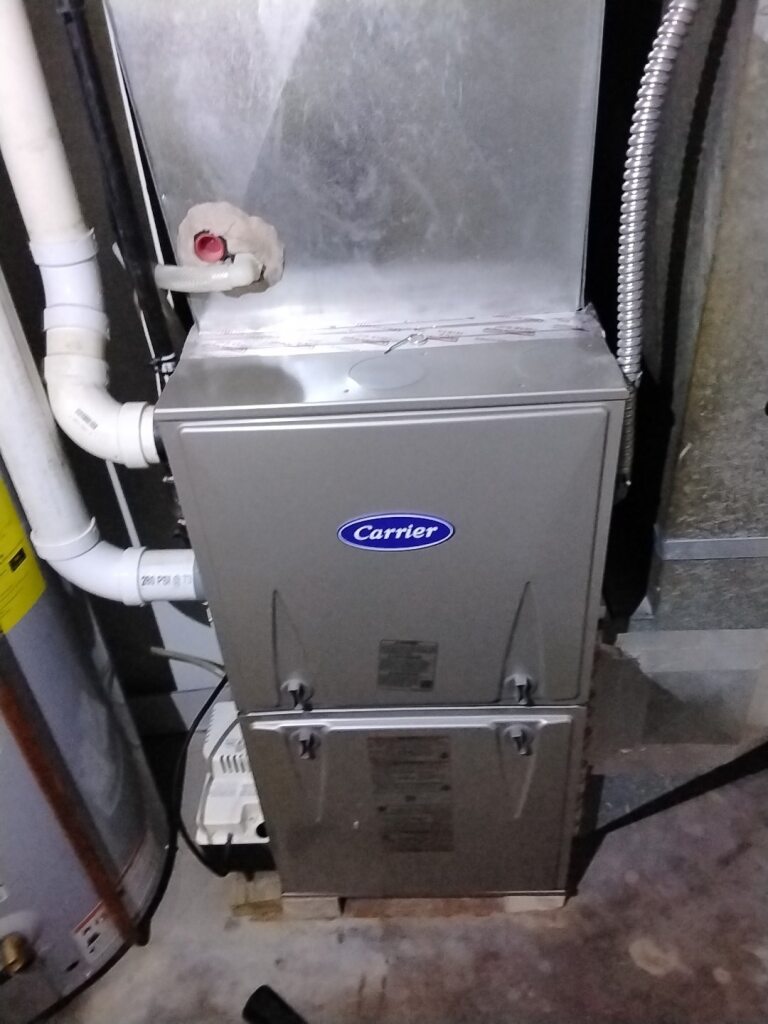 Furnaces typically operate for 15 to 25 years. One of the most important components is the heat exchanger, which transfers heat safely into your home’s airflow.
Typical service range:
- 15 to 20 years for many systems
- Up to 25 years with proper airflow and maintenance
Restricted airflow, dirty filters, or combustion issues can stress internal parts. After two decades, repairs may become more frequent and efficiency may drop compared to newer models.
4. Boilers (Hydronic Heating Systems)
Boilers often last 20 to 35 years, especially cast iron models. Because they heat water rather than air, they tend to experience less cycling than forced-air systems.
Key influences on lifespan:
- Water quality and mineral buildup
- Corrosion control
- Pump and pressure component condition
While the main boiler unit can last decades, supporting components such as circulator pumps may require replacement sooner.
5. Geothermal Heat Pumps
Geothermal systems are designed for long-term operation. The indoor unit usually lasts 20 to 25 years, and the underground loop can function for 40 to 50 years or longer.
Expected longevity:
- Indoor heat pump: 20 to 25 years
- Ground loop system: 40 to 50+ years
Because the loop is buried underground, it avoids weather exposure that affects outdoor condensers. Although installation costs are higher, many homeowners view geothermal as a long-term investment in durability and efficiency.
What Factors Affect HVAC System Lifespan?
The number of years listed in industry charts is only part of the story. How a system is installed, maintained, and used often determines whether it reaches the lower end or the higher end of that range. Small decisions made over time can either protect your equipment or slowly wear it down.
1. Installation Quality and System Sizing
A system should be sized using a proper Manual J load calculation, which measures your home’s square footage, insulation levels, windows, and layout. Guessing or relying only on the size of the old unit can lead to problems.
An oversized system turns on and off too quickly, a pattern known as short cycling. An undersized unit runs constantly and struggles to keep up. Both situations increase wear on key parts like compressors and heat exchangers.
Certified installation reduces these risks. Technicians who hold NATE certification (North American Technician Excellence) are tested on real-world HVAC knowledge and best practices. Novak Heating and Cooling follows proper sizing standards and manufacturer guidelines to help ensure systems operate the way they were designed to.
2. Preventive Maintenance
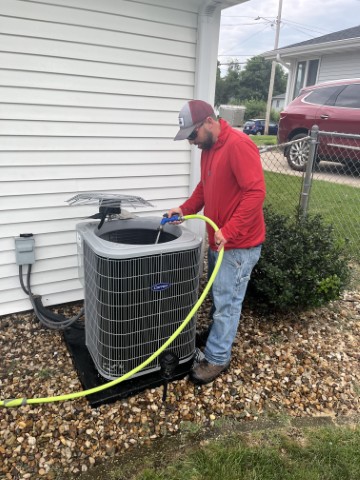 Regular service plays a major role in long-term performance. A cooling inspection in the spring and a heating inspection in the fall allow technicians to catch issues before they turn into larger repairs.
Basic maintenance steps include:
- Replacing air filters every 1 to 3 months
- Cleaning condenser and evaporator coils
- Checking refrigerant levels and electrical connections
When maintenance is skipped, components work harder than they should. Low refrigerant or dirty coils can strain the compressor, which is one of the most expensive parts to replace. Novak offers maintenance plans that keep systems on a set schedule, helping homeowners avoid unnecessary breakdowns.
3. Climate and Environmental Conditions
Where you live matters. Coastal areas deal with salt exposure that can corrode metal parts, while high humidity can increase internal moisture and stress certain components.
In eastern Iowa, systems handle both hot summers and freezing winters. Wide temperature swings place steady demand on equipment throughout the year.
Environmental factors that affect performance include:
- Seasonal temperature extremes
- High humidity levels
- Dirt, leaves, and airborne debris around outdoor units
Keeping the outdoor unit clear and scheduling regular inspections becomes especially important in regions with strong seasonal changes.
4. System Usage Patterns
How often your system runs influences its lifespan. A heat pump that operates in every season accumulates more total run hours than a furnace that runs only during winter.
Other usage habits also matter:
- Frequent thermostat adjustments
- Setting extreme temperatures
- Ignoring airflow issues
Smart thermostats can help regulate run times and reduce unnecessary cycling. Balanced usage patterns reduce stress on internal parts and improve long-term reliability.
5. Equipment Brand and Build Quality
Not all systems are built the same. Compressor durability, internal components, and material quality can affect how long equipment holds up under daily use.
Key build factors include:
- Compressor design and manufacturing quality
- Heat exchanger materials and corrosion resistance
- Engineering standards set by the manufacturer
Working with a factory-authorized dealer, such as Novak Heating and Cooling for Carrier systems, ensures installation follows manufacturer specifications. This helps protect warranty coverage and supports long-term system performance.
Signs Your HVAC System May Be Nearing the End of Its Life
Even well-built systems show warning signs as they age. Paying attention to these changes can help you act early instead of waiting for a complete breakdown.
1. Rising Energy Bills
A steady increase in utility costs is often one of the first indicators. As systems age, internal components lose efficiency and must work harder to produce the same level of comfort.
Older air conditioners may have much lower efficiency ratings compared to modern models. For example, earlier units were built with lower SEER standards, while today’s systems meet updated SEER2 requirements that use energy more efficiently. If your usage habits have not changed but your bill keeps climbing, aging equipment may be the cause.
2. Frequent Repairs
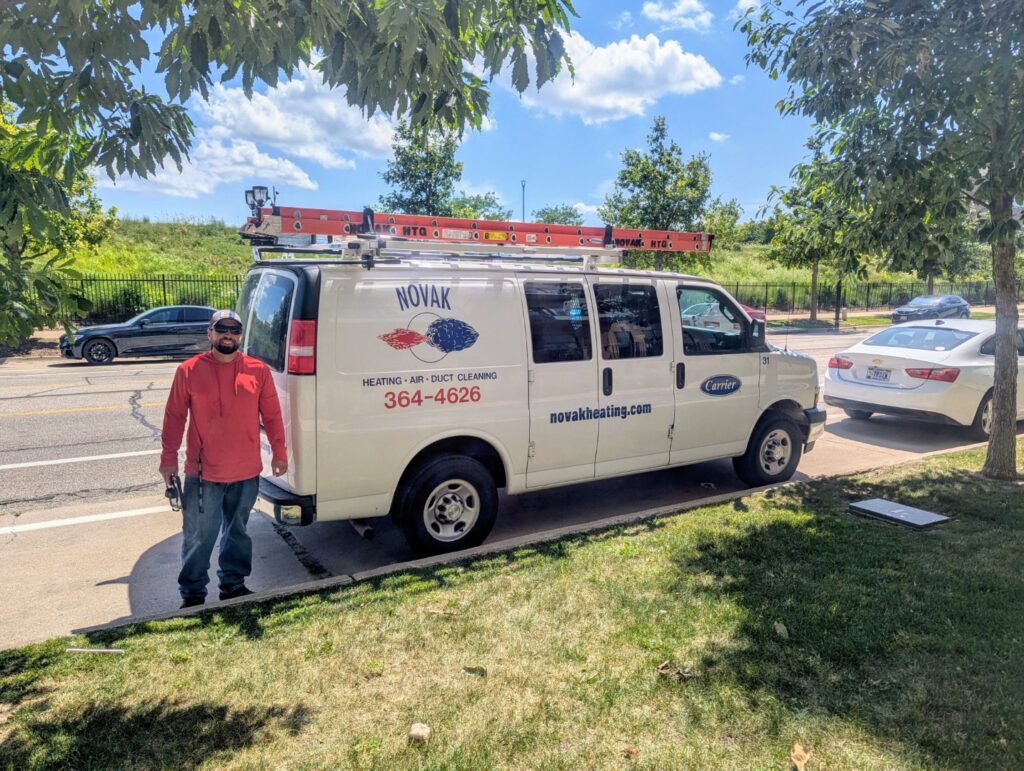 Occasional repairs are normal over time. However, repeated service calls within a short period usually signal deeper wear.
A common rule homeowners follow is the “three repairs in three years” pattern. When repair costs begin stacking up year after year, the total expense can approach the cost of replacement. At that point, continuing to fix an older system may not be the most practical option.
3. Uneven Heating or Cooling
Rooms that feel too warm or too cold can indicate declining performance. While ductwork issues can cause airflow imbalance, aging equipment can also struggle to distribute conditioned air evenly.
Signs to watch for:
- Certain rooms never reach the set temperature
- Longer run times without improved comfort
- Reduced airflow from vents
When comfort becomes inconsistent, it is worth evaluating both the system and the ductwork to determine the root cause.
4. Strange Noises or Odors
Unusual sounds often point to mechanical wear. A rattling or grinding noise may involve the blower motor, while loud outdoor sounds can indicate compressor strain.
Odors should never be ignored. A musty smell may signal moisture issues, while a burning or metallic odor during heating season can raise concern about internal components. In gas furnaces, a cracked heat exchanger can present serious safety risks and usually requires replacement.
5. System Age Milestones
Age alone does not determine failure, but certain benchmarks deserve attention.
Important checkpoints:
- Around 10 years: begin monitoring performance more closely
- Around 15 years: consider a professional evaluation
- 20 years or more: plan for replacement rather than reactive repairs
A structured system evaluation can provide clarity before problems escalate. Novak Heating and Cooling offers inspections that help homeowners understand equipment condition and plan improvements on their timeline, not during an emergency.
When Should You Repair vs Replace Your HVAC System?
This is one of the most common questions homeowners ask. The answer depends on cost, age, efficiency, and safety, not just whether the system still turns on.
The Age-and-Repair Cost Guideline
A simple rule many contractors use is to multiply the age of the system by the repair cost. If the result is close to or exceeds the cost of a new unit, replacement is often the smarter financial move.
As systems get older, repairs tend to become more frequent. Investing in major repairs on equipment that is already near the end of its expected life can lead to diminishing returns.
Efficiency Gains with Modern Systems
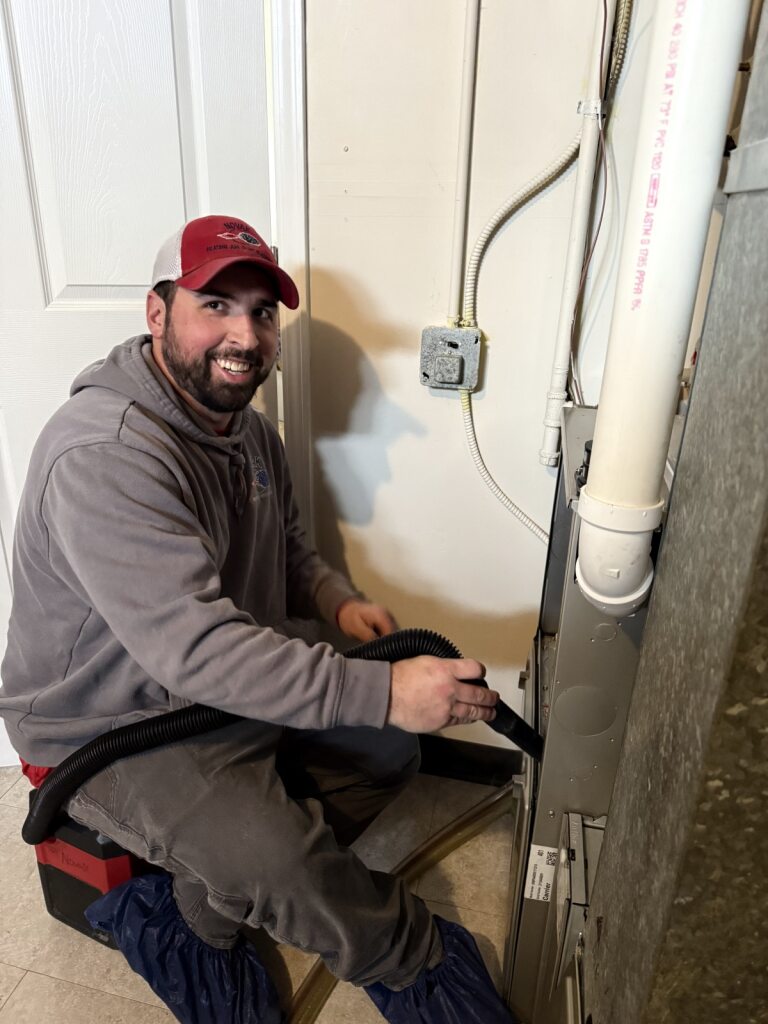 New equipment is significantly more efficient than older models. Today’s air conditioners meet updated SEER2 (Seasonal Energy Efficiency Ratio 2) standards, which reflect real-world performance testing.
Modern furnaces also offer higher AFUE (Annual Fuel Utilization Efficiency) ratings, meaning more of the fuel you pay for turns into usable heat. Over time, improved efficiency can reduce monthly energy costs and offset part of the replacement investment.
Safety Considerations
Safety should never be overlooked. A failing heat exchanger in a gas furnace can increase the risk of carbon monoxide exposure and usually requires full replacement.
Older air conditioners that rely on phased-out R-22 refrigerant can also become costly and difficult to service. Novak Heating and Cooling provides straightforward system evaluations and honest recommendations, helping homeowners weigh repair costs, efficiency benefits, and safety factors before making a decision.
Can You Extend the Life of Your Existing HVAC System?
In many cases, yes. Consistent upkeep reduces wear on major components and helps your system operate more efficiently year after year.
Maintenance Checklist for Homeowners
Homeowners can take a few practical steps to support long-term performance:
- Replace air filters every 1 to 3 months
- Keep at least two feet of space clear around the outdoor unit
- Schedule professional tune-ups before heating and cooling seasons
- Avoid frequent or extreme thermostat adjustments
These simple habits improve airflow, reduce strain, and help prevent avoidable issues.
Professional Maintenance Benefits
Professional service provides a more detailed inspection than routine homeowner care. A technician can identify worn parts early, clean internal components to restore airflow, and confirm refrigerant levels are properly calibrated. Regular maintenance also lowers the risk of sudden breakdowns during peak seasons.
Novak Heating and Cooling offers preventative maintenance services designed to keep systems running reliably and help homeowners stay ahead of costly repairs.
How Long Should a New HVAC System Last?
A properly installed residential HVAC system can realistically last 15 to 25 years under normal conditions. Most manufacturers provide warranty coverage for major components, but those warranties often require proper registration and proof of routine service. Keeping clear records of inspections and repairs protects that coverage and supports long-term performance.
Homeowners can improve longevity from the start by registering warranties, scheduling annual inspections, and using a smart or programmable thermostat to reduce unnecessary run time. Sealing ductwork and maintaining good insulation also help the system operate efficiently without added strain. These early steps make a measurable difference over the life of the equipment.
Frequently Asked Questions About HVAC Lifespan
Can an HVAC system last 30 years?
Some systems, especially boilers and well-maintained furnaces, can reach 30 years. However, most central air conditioners and heat pumps do not typically last that long. After 25 to 30 years, efficiency and reliability usually decline significantly.
How long do AC compressors last?
AC compressors generally last 10 to 15 years, depending on usage and maintenance. Because the compressor handles most of the cooling workload, it is often the first major component to fail. Poor airflow or low refrigerant levels can shorten its lifespan.
How often should HVAC systems be replaced?
Most residential systems are replaced every 15 to 20 years. Heat pumps and air conditioners often fall closer to 12 to 15 years, while furnaces may last longer. Replacement timing depends on performance, repair frequency, and safety considerations.
Does regular maintenance really add years?
Yes. Annual inspections, clean coils, proper refrigerant levels, and regular filter changes reduce strain on critical components. Consistent maintenance can extend equipment life by several years compared to neglected systems.
Is it worth replacing a 15-year-old system?
In many cases, yes, especially if repair costs are rising or efficiency has dropped. Modern systems meet updated SEER2 and AFUE standards, which can lower energy use. A professional evaluation helps determine if replacement makes financial sense.
What shortens HVAC lifespan the most?
Improper installation, incorrect system sizing, and lack of maintenance are the most common causes of early failure. Restricted airflow, low refrigerant, and frequent short cycling also increase wear. Environmental exposure and heavy year-round use can accelerate aging.
Protect Your Comfort Investment With a Professional HVAC Check
Novak Heating and Cooling has served Cedar Rapids since 1934 and provides complete HVAC services, including repairs, maintenance plans, system replacement, duct cleaning, and emergency service. Our NATE-certified technicians follow proven installation and service standards, and as a Carrier Factory Authorized Dealer, we meet manufacturer requirements for quality and training.
Seasonal tune-ups help identify problems early and reduce the risk of unexpected breakdowns. If your system is aging or you simply want a clear picture of its condition, schedule a professional evaluation today. Call (319) 364-4626 to book your HVAC system check with Novak Heating and Cooling and get straightforward answers about what comes next.